Buy saunameister.eu ?
We are moving the project
saunameister.eu .
Are you interested in purchasing the domain
saunameister.eu ?
domain@kv-gmbh.de · 0541-91531010
Buy saunameister.eu ?
Can WD 40 expire?
Yes, WD-40 can expire. The shelf life of WD-40 is typically around 2 to 5 years. After this time, the effectiveness of the product may decrease, and it may not work as well as when it was fresh. It is recommended to check the expiration date on the can and replace it if necessary to ensure optimal performance. **
Is WD 40 toxic?
WD-40 is not considered toxic if used as directed. However, it is important to avoid inhaling the fumes or getting it on your skin or in your eyes. If ingested, it can cause irritation and gastrointestinal distress. It is always recommended to use WD-40 in a well-ventilated area and to keep it out of reach of children and pets. **

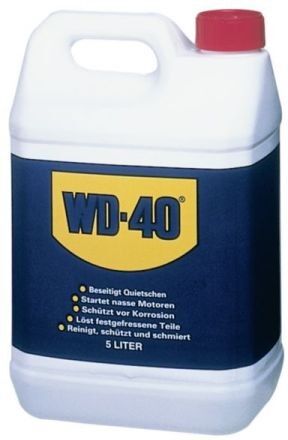
Similar search terms for WD-40-WD40-400-Penetrating
Top-Angebote
Products related to WD-40-WD40-400-Penetrating:
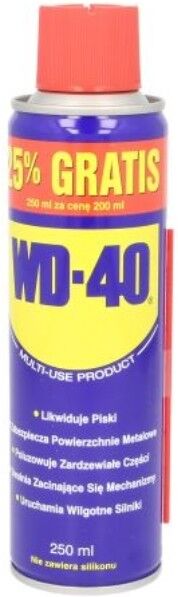

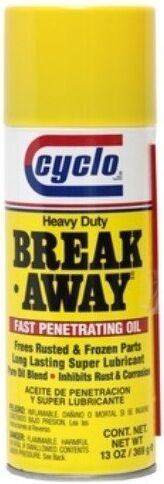
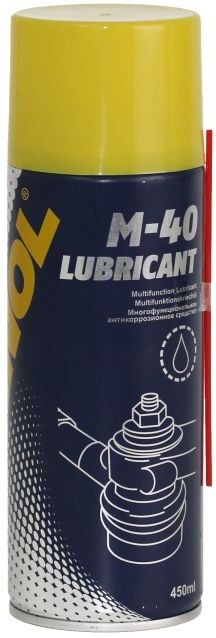
-
Is WD-40 food-safe?
No, WD-40 is not considered food-safe. WD-40 is a petroleum-based product that is primarily used as a lubricant and solvent. It is not intended for consumption and should not come into contact with food or food preparation surfaces. If you need a food-safe lubricant, it is best to look for products specifically designed for that purpose. **
-
Is WD-40 electrically conductive?
No, WD-40 is not electrically conductive. It is primarily a lubricant and water displacement product, and it is not designed to conduct electricity. In fact, WD-40 can be used to protect electrical connections from moisture and corrosion, which can help prevent electrical conductivity issues. However, it should not be used as a substitute for proper electrical insulation or as a conductor in electrical circuits. **
-
Does WD-40 spray evaporate?
Yes, WD-40 spray does evaporate. WD-40 is a mixture of various oils and solvents, and when it is sprayed, the solvents quickly evaporate, leaving behind a thin film of lubricating oil. This allows the product to penetrate and loosen rusted or stuck parts, and then the remaining oil provides long-lasting lubrication. However, it is important to note that the evaporation process may vary depending on the specific conditions and application of the product. **
-
Can WD-40 damage threads?
Yes, WD-40 can potentially damage threads if it is used as a lubricant for threaded connections. While WD-40 is a popular multi-use product, it is not designed specifically for lubricating threaded connections. Using WD-40 as a lubricant for threads can attract dirt and debris, leading to increased friction and potential damage to the threads over time. It is recommended to use a proper lubricant designed for threaded connections to prevent damage. **
How toxic is WD-40?
WD-40 is not considered highly toxic. It is a petroleum-based product that can cause irritation if it comes into contact with the skin or eyes. Ingesting WD-40 can lead to nausea, vomiting, and diarrhea. However, when used as directed and with proper precautions, WD-40 is generally safe for household use. **
Does brake cleaner and WD-40 have any health effects?
Brake cleaner and WD-40 can have health effects if not used properly. Brake cleaner contains chemicals that can be harmful if inhaled or come into contact with skin, leading to symptoms like dizziness, nausea, and skin irritation. WD-40 can also cause irritation if inhaled or ingested, and prolonged exposure may lead to respiratory issues. It is important to use these products in a well-ventilated area, wear protective gear, and follow safety guidelines to minimize health risks. **
Top-Angebote
Products related to WD-40-WD40-400-Penetrating:
-
Can WD 40 expire?
Yes, WD-40 can expire. The shelf life of WD-40 is typically around 2 to 5 years. After this time, the effectiveness of the product may decrease, and it may not work as well as when it was fresh. It is recommended to check the expiration date on the can and replace it if necessary to ensure optimal performance. **
-
Is WD 40 toxic?
WD-40 is not considered toxic if used as directed. However, it is important to avoid inhaling the fumes or getting it on your skin or in your eyes. If ingested, it can cause irritation and gastrointestinal distress. It is always recommended to use WD-40 in a well-ventilated area and to keep it out of reach of children and pets. **
-
Is WD-40 food-safe?
No, WD-40 is not considered food-safe. WD-40 is a petroleum-based product that is primarily used as a lubricant and solvent. It is not intended for consumption and should not come into contact with food or food preparation surfaces. If you need a food-safe lubricant, it is best to look for products specifically designed for that purpose. **
-
Is WD-40 electrically conductive?
No, WD-40 is not electrically conductive. It is primarily a lubricant and water displacement product, and it is not designed to conduct electricity. In fact, WD-40 can be used to protect electrical connections from moisture and corrosion, which can help prevent electrical conductivity issues. However, it should not be used as a substitute for proper electrical insulation or as a conductor in electrical circuits. **
Similar search terms for WD-40-WD40-400-Penetrating
-
Does WD-40 spray evaporate?
Yes, WD-40 spray does evaporate. WD-40 is a mixture of various oils and solvents, and when it is sprayed, the solvents quickly evaporate, leaving behind a thin film of lubricating oil. This allows the product to penetrate and loosen rusted or stuck parts, and then the remaining oil provides long-lasting lubrication. However, it is important to note that the evaporation process may vary depending on the specific conditions and application of the product. **
-
Can WD-40 damage threads?
Yes, WD-40 can potentially damage threads if it is used as a lubricant for threaded connections. While WD-40 is a popular multi-use product, it is not designed specifically for lubricating threaded connections. Using WD-40 as a lubricant for threads can attract dirt and debris, leading to increased friction and potential damage to the threads over time. It is recommended to use a proper lubricant designed for threaded connections to prevent damage. **
-
How toxic is WD-40?
WD-40 is not considered highly toxic. It is a petroleum-based product that can cause irritation if it comes into contact with the skin or eyes. Ingesting WD-40 can lead to nausea, vomiting, and diarrhea. However, when used as directed and with proper precautions, WD-40 is generally safe for household use. **
-
Does brake cleaner and WD-40 have any health effects?
Brake cleaner and WD-40 can have health effects if not used properly. Brake cleaner contains chemicals that can be harmful if inhaled or come into contact with skin, leading to symptoms like dizziness, nausea, and skin irritation. WD-40 can also cause irritation if inhaled or ingested, and prolonged exposure may lead to respiratory issues. It is important to use these products in a well-ventilated area, wear protective gear, and follow safety guidelines to minimize health risks. **
* All prices are inclusive of VAT and, if applicable, plus shipping costs. The offer information is based on the details provided by the respective shop and is updated through automated processes. Real-time updates do not occur, so deviations can occur in individual cases. ** Note: Parts of this content were created by AI.