Buy saunameister.eu ?
We are moving the project
saunameister.eu .
Are you interested in purchasing the domain
saunameister.eu ?
domain@kv-gmbh.de · 0541-91531010
Buy saunameister.eu ?
Are toilet bowl cleaners harmful to health?
Toilet bowl cleaners can be harmful to health if not used properly. The chemicals in these cleaners can cause irritation to the skin, eyes, and respiratory system if they come into contact with them. Inhaling the fumes from these cleaners can also be harmful, especially in poorly ventilated areas. It is important to always follow the instructions on the product label and use these cleaners in a well-ventilated space to minimize any potential health risks. **
What are resin minerals?
Resin minerals are a type of mineral that forms when resin from trees fossilizes over millions of years. The resin hardens and traps various minerals and organic materials within it, creating a unique and often colorful stone. These minerals are prized for their beauty and are often used in jewelry and decorative items. Some well-known examples of resin minerals include amber and copal. **
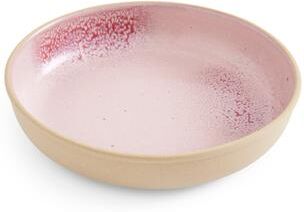

Similar search terms for Portmeirion-Minerals-Low-Bowl
Top-Angebote
Products related to Portmeirion-Minerals-Low-Bowl:
-
Portmeirion Minerals Small BowlPortmeirion Minerals 4.5-Inch Small Bowl - Stoneware Tableware from Portugal, Reactive Glaze for a One-of-a-Kind Design, Microwave & Dishwasher Safe - Ceramic Serveware for Kitchen - New Elevate your dining experience with the Portmeirion Minerals...21,95 $*Shipping: 0,00 $Secure redirect to the provider
-
Portmeirion, Minerals - Low Bowls Pink 23.51mlThese versatile Moonstone Small Bowls from the Portmeirion Minerals collection have been consciously designed from recycled clay in Portugal. Textured on the outside and coated in a reactive glaze on the inside that creates distinct markings, each bowl is unique – just like the home that treasures it. Portmeirion Colour: Pink70,00 £*Shipping: 0,00 £Secure redirect to the provider
-
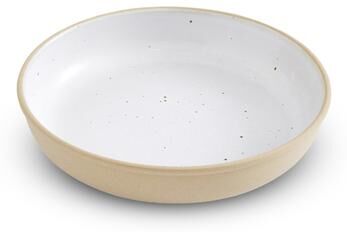
Portmeirion, Minerals - Low Bowls White 23.51mlThese versatile Moonstone Small Bowls from the Portmeirion Minerals collection have been consciously designed from recycled clay in Portugal. Textured on the outside and coated in a reactive glaze on the inside that creates distinct markings, each bowl is unique – just like the home that treasures it. Portmeirion Colour: White69,99 £*Shipping: 0,00 £Secure redirect to the provider
-
Portmeirion, Minerals - Low Bowls Blue 23.51mlThese versatile Moonstone Small Bowls from the Portmeirion Minerals collection have been consciously designed from recycled clay in Portugal. Textured on the outside and coated in a reactive glaze on the inside that creates distinct markings, each bowl is unique – just like the home that treasures it. Portmeirion Colour: Blue69,99 £*Shipping: 0,00 £Secure redirect to the provider

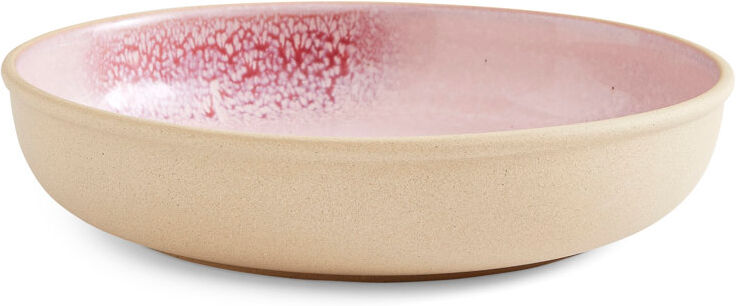

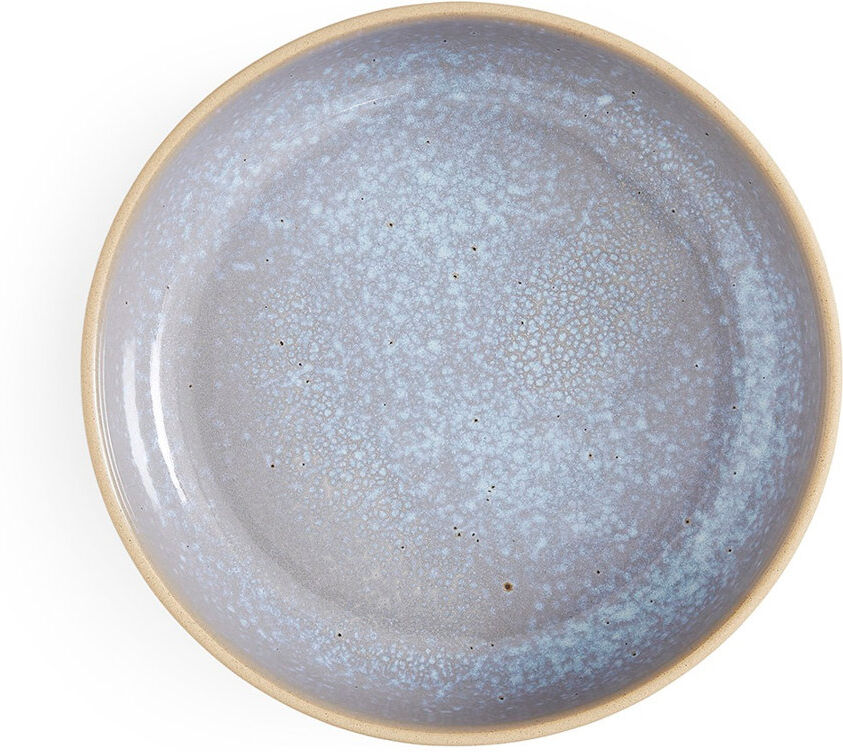
-
Which minerals are in Spirulina?
Spirulina is a rich source of various minerals, including iron, magnesium, potassium, calcium, and zinc. **
-
Can magnetic minerals attract lightning?
No, magnetic minerals cannot attract lightning. Lightning is a natural electrical discharge caused by the buildup of electrical charges in the atmosphere, and it is not influenced by magnetic minerals. Lightning is attracted to the tallest objects in an area, such as trees, buildings, or towers, due to the difference in electrical potential between the object and the charged clouds. Magnetic minerals do not play a role in attracting lightning. **
-
Where can one collect minerals?
Minerals can be collected from various locations such as mines, quarries, and mineral deposits in nature. Some people also collect minerals from rock outcrops, beaches, and riverbeds. It is important to obtain permission before collecting minerals on private property or protected lands, and to follow any regulations or guidelines set by the local authorities. Additionally, mineral shows, gem and mineral clubs, and online sources are also popular places to acquire minerals for collections. **
-
How do you recognize minerals?
Minerals can be recognized based on their physical properties such as color, luster, hardness, cleavage, and crystal form. Color can be a helpful initial clue, but it is not always reliable as many minerals can occur in a variety of colors. Luster refers to the way light reflects off the surface of the mineral, and can be metallic or non-metallic. Hardness is determined by the ability of a mineral to scratch or be scratched by other substances. Cleavage refers to the way a mineral breaks along certain planes, and crystal form refers to the geometric shape of the mineral's crystals. By observing these physical properties, one can begin to identify and classify different minerals. **

Can gemstone minerals be identified?
Yes, gemstone minerals can be identified through various methods such as visual inspection, physical properties testing (such as hardness, specific gravity, and cleavage), and chemical analysis. Gemologists and mineralogists use these methods to accurately identify gemstone minerals and distinguish them from imitations or synthetic stones. Additionally, advanced techniques such as spectroscopy and X-ray diffraction can be used to further confirm the identity of gemstone minerals. **
Why are minerals not living beings?
Minerals are not living beings because they do not exhibit the characteristics of life. Living beings are characterized by the ability to grow, reproduce, respond to stimuli, and maintain homeostasis. Minerals, on the other hand, do not grow, reproduce, or respond to stimuli in the same way that living organisms do. They are inorganic substances that do not have the capacity for metabolism or self-replication, which are essential features of living beings. Therefore, minerals are considered non-living entities. **
Top-Angebote
Products related to Portmeirion-Minerals-Low-Bowl:
-
Portmeirion Minerals Low BowlPortmeirion Minerals 8.7-Inch Low Serving Bowl - Stoneware Tableware from Portugal, Reactive Glaze for a One-of-a-Kind Design, Microwave & Dishwasher Safe - Ceramic Serveware for Kitchen - New Elevate your dining experience with the Portmeirion...25,99 $*Shipping: 0,00 $Secure redirect to the provider
-
Portmeirion Minerals Medium BowlPortmeirion Minerals 6-Inch Serving Bowl - Stoneware Tableware from Portugal, Reactive Glaze for a One-of-a-Kind Design, Microwave & Dishwasher Safe - Ceramic Serveware for Kitchen - New Elevate your dining experience with the Portmeirion Minerals...33,49 $*Shipping: 0,00 $Secure redirect to the provider
-
Portmeirion Minerals Small BowlPortmeirion Minerals 4.5-Inch Small Bowl - Stoneware Tableware from Portugal, Reactive Glaze for a One-of-a-Kind Design, Microwave & Dishwasher Safe - Ceramic Serveware for Kitchen - New Elevate your dining experience with the Portmeirion Minerals...21,95 $*Shipping: 0,00 $Secure redirect to the provider
-
Portmeirion, Minerals - Low Bowls Pink 23.51mlThese versatile Moonstone Small Bowls from the Portmeirion Minerals collection have been consciously designed from recycled clay in Portugal. Textured on the outside and coated in a reactive glaze on the inside that creates distinct markings, each bowl is unique – just like the home that treasures it. Portmeirion Colour: Pink70,00 £*Shipping: 0,00 £Secure redirect to the provider
-
Are toilet bowl cleaners harmful to health?
Toilet bowl cleaners can be harmful to health if not used properly. The chemicals in these cleaners can cause irritation to the skin, eyes, and respiratory system if they come into contact with them. Inhaling the fumes from these cleaners can also be harmful, especially in poorly ventilated areas. It is important to always follow the instructions on the product label and use these cleaners in a well-ventilated space to minimize any potential health risks. **
-
What are resin minerals?
Resin minerals are a type of mineral that forms when resin from trees fossilizes over millions of years. The resin hardens and traps various minerals and organic materials within it, creating a unique and often colorful stone. These minerals are prized for their beauty and are often used in jewelry and decorative items. Some well-known examples of resin minerals include amber and copal. **
-
Which minerals are in Spirulina?
Spirulina is a rich source of various minerals, including iron, magnesium, potassium, calcium, and zinc. **
-
Can magnetic minerals attract lightning?
No, magnetic minerals cannot attract lightning. Lightning is a natural electrical discharge caused by the buildup of electrical charges in the atmosphere, and it is not influenced by magnetic minerals. Lightning is attracted to the tallest objects in an area, such as trees, buildings, or towers, due to the difference in electrical potential between the object and the charged clouds. Magnetic minerals do not play a role in attracting lightning. **
Similar search terms for Portmeirion-Minerals-Low-Bowl
-
Portmeirion, Minerals - Low Bowls White 23.51mlThese versatile Moonstone Small Bowls from the Portmeirion Minerals collection have been consciously designed from recycled clay in Portugal. Textured on the outside and coated in a reactive glaze on the inside that creates distinct markings, each bowl is unique – just like the home that treasures it. Portmeirion Colour: White69,99 £*Shipping: 0,00 £Secure redirect to the provider
-
Portmeirion, Minerals - Low Bowls Blue 23.51mlThese versatile Moonstone Small Bowls from the Portmeirion Minerals collection have been consciously designed from recycled clay in Portugal. Textured on the outside and coated in a reactive glaze on the inside that creates distinct markings, each bowl is unique – just like the home that treasures it. Portmeirion Colour: Blue69,99 £*Shipping: 0,00 £Secure redirect to the provider
-
Portmeirion Minerals Low BowlPortmeirion Minerals 8.7-Inch Low Serving Bowl - Stoneware Tableware from Portugal, Reactive Glaze for a One-of-a-Kind Design, Microwave & Dishwasher Safe - Ceramic Serveware for Kitchen - New Elevate your dining experience with the Portmeirion...27,64 $*Shipping: 0,00 $Secure redirect to the provider
-
Portmeirion Minerals Low BowlPortmeirion Minerals 8.7-Inch Low Serving Bowl - Stoneware Tableware from Portugal, Reactive Glaze for a One-of-a-Kind Design, Microwave & Dishwasher Safe - Ceramic Serveware for Kitchen - New Elevate your dining experience with the Portmeirion...30,01 $*Shipping: 0,00 $Secure redirect to the provider
-
Where can one collect minerals?
Minerals can be collected from various locations such as mines, quarries, and mineral deposits in nature. Some people also collect minerals from rock outcrops, beaches, and riverbeds. It is important to obtain permission before collecting minerals on private property or protected lands, and to follow any regulations or guidelines set by the local authorities. Additionally, mineral shows, gem and mineral clubs, and online sources are also popular places to acquire minerals for collections. **
-
How do you recognize minerals?
Minerals can be recognized based on their physical properties such as color, luster, hardness, cleavage, and crystal form. Color can be a helpful initial clue, but it is not always reliable as many minerals can occur in a variety of colors. Luster refers to the way light reflects off the surface of the mineral, and can be metallic or non-metallic. Hardness is determined by the ability of a mineral to scratch or be scratched by other substances. Cleavage refers to the way a mineral breaks along certain planes, and crystal form refers to the geometric shape of the mineral's crystals. By observing these physical properties, one can begin to identify and classify different minerals. **
-
Can gemstone minerals be identified?
Yes, gemstone minerals can be identified through various methods such as visual inspection, physical properties testing (such as hardness, specific gravity, and cleavage), and chemical analysis. Gemologists and mineralogists use these methods to accurately identify gemstone minerals and distinguish them from imitations or synthetic stones. Additionally, advanced techniques such as spectroscopy and X-ray diffraction can be used to further confirm the identity of gemstone minerals. **
-
Why are minerals not living beings?
Minerals are not living beings because they do not exhibit the characteristics of life. Living beings are characterized by the ability to grow, reproduce, respond to stimuli, and maintain homeostasis. Minerals, on the other hand, do not grow, reproduce, or respond to stimuli in the same way that living organisms do. They are inorganic substances that do not have the capacity for metabolism or self-replication, which are essential features of living beings. Therefore, minerals are considered non-living entities. **
* All prices are inclusive of VAT and, if applicable, plus shipping costs. The offer information is based on the details provided by the respective shop and is updated through automated processes. Real-time updates do not occur, so deviations can occur in individual cases. ** Note: Parts of this content were created by AI.