Buy saunameister.eu ?
We are moving the project
saunameister.eu .
Are you interested in purchasing the domain
saunameister.eu ?
domain@kv-gmbh.de · 0541-91531010
Buy saunameister.eu ?
What does that mean, 1449?
The number 1449 is a four-digit number that represents a specific quantity or value. It could refer to a year in history, a numerical code, a measurement, or any other numerical representation. The significance of the number 1449 would depend on the context in which it is being used. **
Hello, what is the difference between a brake cylinder and a master brake cylinder?
Hello! The main difference between a brake cylinder and a master brake cylinder lies in their functions within a vehicle's braking system. A brake cylinder is typically found in drum brake systems and is responsible for applying pressure to the brake shoes, causing them to press against the drum and slow down the vehicle. On the other hand, a master brake cylinder is part of a hydraulic brake system and is responsible for converting the pressure applied to the brake pedal into hydraulic pressure that is then distributed to the brake calipers or wheel cylinders to stop the vehicle. In essence, the master brake cylinder controls the overall braking system, while the brake cylinder is more specific to drum brake setups. **
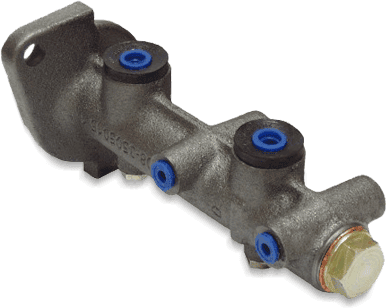
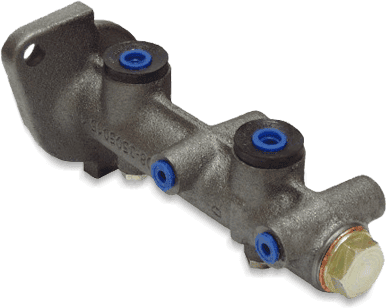
Similar search terms for LPR-1449-Brake-master
Top-Angebote
Products related to LPR-1449-Brake-master:
-
LPR 1538 Brake master cylinderMaterial: Cast Iron; Brake System: AP Lockheed, APL; Thread Size: 10 X 1 (3); Piston Diameter [mm]: 22,2; Construction Year from: 01/1986, 10/1988, 10/1985; Vehicle type: 80-100, 80-100-120, 120, 80, 120/150, 100/130/190, 80/100/130/190, 150, 100; Brake Circuit Layout: II Brake Circuit Layout (FA/RA), not for vehicles with X brake circuit layout (diagonal); Construction Year to: 07/1987, 03/1991, 07/1991, 10/1991, 07/1994, 06/1988, 08/1991; Special Purpose Vehicle: for fire brigade vehicles42,49 £*Shipping: 8,45 £Secure redirect to the provider
-
LPR 1880 Brake master cylinderThread Size: 10 X 1 (1), 10 x 1 (1); Material: Cast Iron; Brake System: ATE; Piston Diameter [mm]: 22,2; Braking/Driving Dynamics: for vehicles with ABS; Construction Year to: 08/1991, 09/1991, 08/1995, 10/1990, 08/1996, 08/1994, 09/1998, 02/1998, 10/1992, 06/1994, 01/1998, 08/1989, 08/1992, 07/1993, 08/1993, 04/1993, 10/1994; Construction Year from: 09/1990, 09/1988, 08/1989, 06/1990, 03/1992, 10/1991, 09/1994, 06/1994, 09/1995, 09/1985, 09/1984, 01/1989, 07/1994, 09/1993, 09/1989, 09/1987, 11/1994, 03/1989, 12/1991; Left-/right-hand drive vehicles: for right-hand drive vehicles; TecDoc Engine Number: 475955,49 £*Shipping: 8,45 £Secure redirect to the provider
-
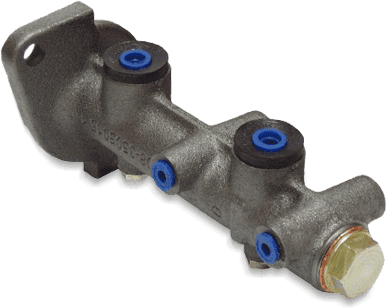
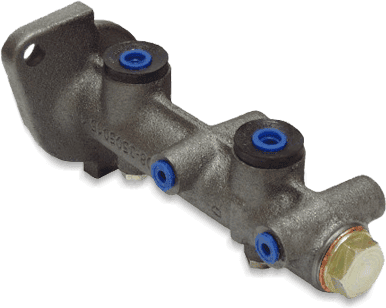
LPR 6197 Brake master cylinderPiston Diameter [mm]: 23,81; Thread Size: 10 X 1 (2); Material: Aluminium; Brake System: Bosch; Braking/Driving Dynamics: for vehicles with ABS; Left-/right-hand drive vehicles: for right-hand drive vehicles; Construction Year from: 06/2010, 02/2010, 01/2014, 04/2016, 04/201565,49 £*Shipping: 8,45 £Secure redirect to the provider

-
How can it be that it is 1449?
It is 1449 because that is the current year in the Gregorian calendar. The Gregorian calendar is the most widely used calendar system in the world, and it is based on the traditional calendar established by Pope Gregory XIII in 1582. The calendar counts years from the traditionally recognized year of the birth of Jesus Christ, with the year 1 AD following 1 BC. **
-
Can steam locomotives brake at all?
Yes, steam locomotives can brake. They typically use a combination of air brakes and steam brakes to slow down and stop. The air brakes are operated by compressed air and are the primary braking system, while the steam brakes use the locomotive's steam power to provide additional braking force when needed. The combination of these braking systems allows steam locomotives to effectively control their speed and come to a stop when necessary. **
-
What should be done if brake fluid sprays out between the brake booster and the firewall when the clutch master cylinder is being replaced?
If brake fluid is spraying out between the brake booster and the firewall when the clutch master cylinder is being replaced, it is likely that the brake booster is being affected. In this case, it is important to stop the replacement process and address the issue with the brake booster. The brake booster may need to be inspected for any damage or leaks, and it may need to be repaired or replaced if necessary. It is important to ensure that the brake system is functioning properly before continuing with the clutch master cylinder replacement. **
-
Does brake cleaner and WD-40 have any health effects?
Brake cleaner and WD-40 can have health effects if not used properly. Brake cleaner contains chemicals that can be harmful if inhaled or come into contact with skin, leading to symptoms like dizziness, nausea, and skin irritation. WD-40 can also cause irritation if inhaled or ingested, and prolonged exposure may lead to respiratory issues. It is important to use these products in a well-ventilated area, wear protective gear, and follow safety guidelines to minimize health risks. **

Does every Cannondale brake disc fit every brake?
No, not every Cannondale brake disc will fit every brake. Different brakes have different specifications for the size and mounting of the brake disc. It is important to ensure that the brake disc you are purchasing is compatible with the specific model and type of brake you have. Always check the manufacturer's specifications and recommendations to ensure a proper fit and safe operation. **
Do glowing brake discs increase brake wear significantly?
Glowing brake discs can indicate that the brakes are being used heavily and generating a lot of heat. While the glowing itself does not directly increase brake wear, the increased heat can accelerate wear and reduce the lifespan of the brake components. Prolonged use of the brakes at high temperatures can lead to brake fade and potentially cause damage to the brake pads, rotors, and other components. Therefore, it is important to monitor brake temperatures and use the brakes judiciously to minimize wear and maintain optimal braking performance. **
Top-Angebote
Products related to LPR-1449-Brake-master:
-
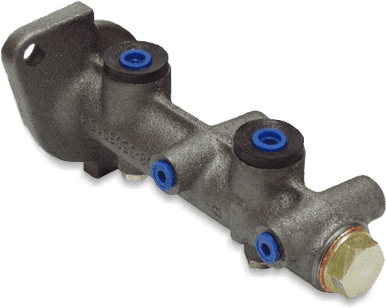
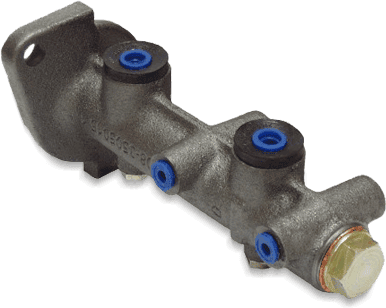
LPR 1449 Brake master cylinderMaterial: Cast Iron; Brake System: ATE; Piston Diameter [mm]: 20,64; Thread Size: 10 X 1 (2); Vehicle Identification Number (VIN) from: S31153001, S3115301, 31153001; Braking/Driving Dynamics: for vehicles without ABS; Left-/right-hand drive vehicles: for left-hand drive vehicles; Construction Year to: 04/1997, 10/1995; Construction Year from: 05/1993, 06/1995, 04/1993, 10/1995, 09/1996; for RPO number up to: 07737; Vehicle Identification Number (VIN) to: S3115300050,49 £*Shipping: 8,45 £Secure redirect to the provider
-
LPR 1437 Brake master cylinderBrake System: TRW; Material: Cast Iron; Thread Size: 10 X 1 (3), 10 x 1 (3); Piston Diameter [mm]: 20,64; Construction Year to: 12/1991; Left-/right-hand drive vehicles: for left-hand drive vehicles; Vehicle Production Country: Spain74,99 £*Shipping: 8,45 £Secure redirect to the provider
-
LPR 1538 Brake master cylinderMaterial: Cast Iron; Brake System: AP Lockheed, APL; Thread Size: 10 X 1 (3); Piston Diameter [mm]: 22,2; Construction Year from: 01/1986, 10/1988, 10/1985; Vehicle type: 80-100, 80-100-120, 120, 80, 120/150, 100/130/190, 80/100/130/190, 150, 100; Brake Circuit Layout: II Brake Circuit Layout (FA/RA), not for vehicles with X brake circuit layout (diagonal); Construction Year to: 07/1987, 03/1991, 07/1991, 10/1991, 07/1994, 06/1988, 08/1991; Special Purpose Vehicle: for fire brigade vehicles42,49 £*Shipping: 8,45 £Secure redirect to the provider
-
LPR 1880 Brake master cylinderThread Size: 10 X 1 (1), 10 x 1 (1); Material: Cast Iron; Brake System: ATE; Piston Diameter [mm]: 22,2; Braking/Driving Dynamics: for vehicles with ABS; Construction Year to: 08/1991, 09/1991, 08/1995, 10/1990, 08/1996, 08/1994, 09/1998, 02/1998, 10/1992, 06/1994, 01/1998, 08/1989, 08/1992, 07/1993, 08/1993, 04/1993, 10/1994; Construction Year from: 09/1990, 09/1988, 08/1989, 06/1990, 03/1992, 10/1991, 09/1994, 06/1994, 09/1995, 09/1985, 09/1984, 01/1989, 07/1994, 09/1993, 09/1989, 09/1987, 11/1994, 03/1989, 12/1991; Left-/right-hand drive vehicles: for right-hand drive vehicles; TecDoc Engine Number: 475955,49 £*Shipping: 8,45 £Secure redirect to the provider
-
What does that mean, 1449?
The number 1449 is a four-digit number that represents a specific quantity or value. It could refer to a year in history, a numerical code, a measurement, or any other numerical representation. The significance of the number 1449 would depend on the context in which it is being used. **
-
Hello, what is the difference between a brake cylinder and a master brake cylinder?
Hello! The main difference between a brake cylinder and a master brake cylinder lies in their functions within a vehicle's braking system. A brake cylinder is typically found in drum brake systems and is responsible for applying pressure to the brake shoes, causing them to press against the drum and slow down the vehicle. On the other hand, a master brake cylinder is part of a hydraulic brake system and is responsible for converting the pressure applied to the brake pedal into hydraulic pressure that is then distributed to the brake calipers or wheel cylinders to stop the vehicle. In essence, the master brake cylinder controls the overall braking system, while the brake cylinder is more specific to drum brake setups. **
-
How can it be that it is 1449?
It is 1449 because that is the current year in the Gregorian calendar. The Gregorian calendar is the most widely used calendar system in the world, and it is based on the traditional calendar established by Pope Gregory XIII in 1582. The calendar counts years from the traditionally recognized year of the birth of Jesus Christ, with the year 1 AD following 1 BC. **
-
Can steam locomotives brake at all?
Yes, steam locomotives can brake. They typically use a combination of air brakes and steam brakes to slow down and stop. The air brakes are operated by compressed air and are the primary braking system, while the steam brakes use the locomotive's steam power to provide additional braking force when needed. The combination of these braking systems allows steam locomotives to effectively control their speed and come to a stop when necessary. **
Similar search terms for LPR-1449-Brake-master
-
LPR 6197 Brake master cylinderPiston Diameter [mm]: 23,81; Thread Size: 10 X 1 (2); Material: Aluminium; Brake System: Bosch; Braking/Driving Dynamics: for vehicles with ABS; Left-/right-hand drive vehicles: for right-hand drive vehicles; Construction Year from: 06/2010, 02/2010, 01/2014, 04/2016, 04/201565,49 £*Shipping: 8,45 £Secure redirect to the provider
-
LPR 1598 Brake master cylinderBrake System: ATE; Piston Diameter [mm]: 23,81; Material: Aluminium; Thread Size: 12 X 1 (3); Braking/Driving Dynamics: for vehicles with ESP, for vehicles with ABS; Left-/right-hand drive vehicles: for left-hand drive vehicles; Construction Year from: 03/2003, 10/2002, 06/2004; Construction Year to: 03/2012, 06/2008, 06/2012, 08/200861,99 £*Shipping: 8,45 £Secure redirect to the provider
-
LPR 1698 Brake master cylinderPiston Diameter [mm]: 23,81; Thread Size: 12 X 1 (1), 10 X 1 (1); Brake System: Bosch; Bore Diameter [mm]: 23,81; Braking/Driving Dynamics: for vehicles with ABS, for vehicles without ESP, for vehicles without DSC; Construction Year from: 07/2008, 06/2010, 07/2007, 08/2007, 01/2008, 10/2007, 02/2005, 05/2008, 11/2007, 12/2007, 05/2010, 07/2010, 04/2010, 09/2007, 08/2014; Left-/right-hand drive vehicles: for left-hand drive vehicles, for left-hand/right-hand drive vehicles, for right-hand drive vehicles; Vehicle Production Country: Argentina, China, France; for RPO number from: 11193, 11347, 11242; for DAM number from: 11187UW, 1119388, 1134777, 11242UW, 1119389; Construction Year to: 09/2010, 07/2008, 07/2010, 07/2009, 03/2009, 01/2012, 06/2013, 03/2010, 01/2014, 01/2011, 12/2010, 09/2014, 11/2014, 12/2012, 03/2011; Vehicle type: B5; TecDoc Engine Number: 20147, 19824, 1869058,99 £*Shipping: 8,45 £Secure redirect to the provider
-
What should be done if brake fluid sprays out between the brake booster and the firewall when the clutch master cylinder is being replaced?
If brake fluid is spraying out between the brake booster and the firewall when the clutch master cylinder is being replaced, it is likely that the brake booster is being affected. In this case, it is important to stop the replacement process and address the issue with the brake booster. The brake booster may need to be inspected for any damage or leaks, and it may need to be repaired or replaced if necessary. It is important to ensure that the brake system is functioning properly before continuing with the clutch master cylinder replacement. **
-
Does brake cleaner and WD-40 have any health effects?
Brake cleaner and WD-40 can have health effects if not used properly. Brake cleaner contains chemicals that can be harmful if inhaled or come into contact with skin, leading to symptoms like dizziness, nausea, and skin irritation. WD-40 can also cause irritation if inhaled or ingested, and prolonged exposure may lead to respiratory issues. It is important to use these products in a well-ventilated area, wear protective gear, and follow safety guidelines to minimize health risks. **
-
Does every Cannondale brake disc fit every brake?
No, not every Cannondale brake disc will fit every brake. Different brakes have different specifications for the size and mounting of the brake disc. It is important to ensure that the brake disc you are purchasing is compatible with the specific model and type of brake you have. Always check the manufacturer's specifications and recommendations to ensure a proper fit and safe operation. **
-
Do glowing brake discs increase brake wear significantly?
Glowing brake discs can indicate that the brakes are being used heavily and generating a lot of heat. While the glowing itself does not directly increase brake wear, the increased heat can accelerate wear and reduce the lifespan of the brake components. Prolonged use of the brakes at high temperatures can lead to brake fade and potentially cause damage to the brake pads, rotors, and other components. Therefore, it is important to monitor brake temperatures and use the brakes judiciously to minimize wear and maintain optimal braking performance. **
* All prices are inclusive of VAT and, if applicable, plus shipping costs. The offer information is based on the details provided by the respective shop and is updated through automated processes. Real-time updates do not occur, so deviations can occur in individual cases. ** Note: Parts of this content were created by AI.