Buy saunameister.eu ?
We are moving the project
saunameister.eu .
Are you interested in purchasing the domain
saunameister.eu ?
domain@kv-gmbh.de · 0541-91531010
Buy saunameister.eu ?
When do you use il faut and il ne faut pas?
"Il faut" is used to express what is necessary or required, while "il ne faut pas" is used to express what is not allowed or should be avoided. For example, you would use "il faut" to say "il faut étudier pour réussir" (it is necessary to study to succeed), and "il ne faut pas" to say "il ne faut pas fumer dans ce lieu" (smoking is not allowed in this place). These expressions are used to give advice, make recommendations, or set rules. **
What is the difference between il faut que and il faut?
"Il faut" is used to express a general necessity or obligation, while "il faut que" is used to introduce a specific action or event that is necessary or required. For example, "il faut manger" means "it is necessary to eat" in a general sense, while "il faut que tu manges" means "you need to eat" in a specific sense. "Il faut" is used to make a general statement about what is necessary, while "il faut que" is used to specify what needs to be done. **
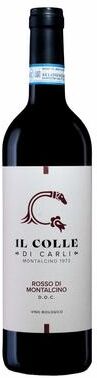

Similar search terms for Il-Colle-Il-Colle
Top-Angebote
Products related to Il-Colle-Il-Colle:
-
"""Bel Colle""" """Bel Colle Langhe Nebbiolo 2025 Red Wine - Italy""""""It shows floral aromas with hints of ripe fruit and spices. On the palate, elegant tannins blend with the structure and find a harmonious balance with aging. Pair with pasta with rich sauces, red and white meat, medium and long ripening cheese."""24,97 $*Shipping: 0,00 $Secure redirect to the provider




-
Why is it souhaite-t-il and not souhaite-s-il?
In French, the pronoun "il" (he) is combined with the verb "souhaiter" (to wish) to form the phrase "souhaite-t-il" because of the rule of verb inversion in interrogative sentences. When forming a question in French, the subject pronoun and the verb are inverted, so "souhaite-t-il" follows this rule. The "t" is added to create a liaison between the verb and the pronoun, making the pronunciation smoother. **
-
How does "il faut" work in French?
"Il faut" is a common expression in French that is used to convey the idea of necessity or obligation. It is followed by an infinitive verb and is used to express what needs to be done or what is necessary in a given situation. For example, "Il faut manger" means "It is necessary to eat." This expression is used to give advice, make suggestions, or express general truths. **
-
What comes after il faudrait in French?
In French, "il faudrait" is followed by the infinitive form of a verb. This construction is used to express a suggestion or a polite request. For example, "il faudrait partir tôt" means "it would be necessary to leave early." **
-
What is an El, Sl, and Il?
An El, Sl, and Il are all suffixes used in the English language to form adjectives. "El" is used to form adjectives that mean "pertaining to" or "characterized by," such as in the word "musical." "Sl" is used to form adjectives that mean "tending to" or "inclined to," such as in the word "careful." "Il" is used to form adjectives that mean "having the nature of" or "capable of," such as in the word "flexible." These suffixes help to create new adjectives by modifying the meaning of the base word. **


What do the abbreviations el and il mean?
The abbreviation "el" typically stands for "elevated" and is commonly used in the context of transportation systems, such as an "el train" which refers to an elevated railway. On the other hand, "il" is often used as an abbreviation for "Illinois," which is a state in the United States. It can also be used as an abbreviation for "in-line" in various contexts, such as in sports or technology. **
What is the past tense of il faut?
The past tense of "il faut" is "il a fallu." This is the third person singular form of the verb "falloir" in the past tense. It is used to indicate that something was necessary or required in the past. For example, "Il a fallu partir tôt ce matin" means "It was necessary to leave early this morning." **
Top-Angebote
Products related to Il-Colle-Il-Colle:
-
"""Bel Colle""" """Bel Colle Roero Arneis 2025 White Wine - Italy""""""Straw yellow in color, this Roero Arneis offers a deep and mineral-driven aromatic profile, with inviting notes of yellow-pulp fruit and delicate white flowers. On the palate, it is soft yet intense, marked by a light acidulous vein that delivers..."21,97 $*Shipping: 0,00 $Secure redirect to the provider
-
"""Bel Colle""" """Bel Colle Langhe Nebbiolo 2025 Red Wine - Italy""""""It shows floral aromas with hints of ripe fruit and spices. On the palate, elegant tannins blend with the structure and find a harmonious balance with aging. Pair with pasta with rich sauces, red and white meat, medium and long ripening cheese."""24,97 $*Shipping: 0,00 $Secure redirect to the provider
-
When do you use il faut and il ne faut pas?
"Il faut" is used to express what is necessary or required, while "il ne faut pas" is used to express what is not allowed or should be avoided. For example, you would use "il faut" to say "il faut étudier pour réussir" (it is necessary to study to succeed), and "il ne faut pas" to say "il ne faut pas fumer dans ce lieu" (smoking is not allowed in this place). These expressions are used to give advice, make recommendations, or set rules. **
-
What is the difference between il faut que and il faut?
"Il faut" is used to express a general necessity or obligation, while "il faut que" is used to introduce a specific action or event that is necessary or required. For example, "il faut manger" means "it is necessary to eat" in a general sense, while "il faut que tu manges" means "you need to eat" in a specific sense. "Il faut" is used to make a general statement about what is necessary, while "il faut que" is used to specify what needs to be done. **
-
Why is it souhaite-t-il and not souhaite-s-il?
In French, the pronoun "il" (he) is combined with the verb "souhaiter" (to wish) to form the phrase "souhaite-t-il" because of the rule of verb inversion in interrogative sentences. When forming a question in French, the subject pronoun and the verb are inverted, so "souhaite-t-il" follows this rule. The "t" is added to create a liaison between the verb and the pronoun, making the pronunciation smoother. **
-
How does "il faut" work in French?
"Il faut" is a common expression in French that is used to convey the idea of necessity or obligation. It is followed by an infinitive verb and is used to express what needs to be done or what is necessary in a given situation. For example, "Il faut manger" means "It is necessary to eat." This expression is used to give advice, make suggestions, or express general truths. **
Similar search terms for Il-Colle-Il-Colle
-
York Wallcoverings Papier Colle Black & White WallpaperTropical flora has been reduced and reimagined as a series of striking color blocked forms in Papier Colle, the leaves inked in shades of grey, white, and black, This Papier Colle Wallpaper measures approximately 27 inches wide by 27 feet long,...144,50 $*Shipping: 0,00 $Secure redirect to the provider
-
What comes after il faudrait in French?
In French, "il faudrait" is followed by the infinitive form of a verb. This construction is used to express a suggestion or a polite request. For example, "il faudrait partir tôt" means "it would be necessary to leave early." **
-
What is an El, Sl, and Il?
An El, Sl, and Il are all suffixes used in the English language to form adjectives. "El" is used to form adjectives that mean "pertaining to" or "characterized by," such as in the word "musical." "Sl" is used to form adjectives that mean "tending to" or "inclined to," such as in the word "careful." "Il" is used to form adjectives that mean "having the nature of" or "capable of," such as in the word "flexible." These suffixes help to create new adjectives by modifying the meaning of the base word. **
-
What do the abbreviations el and il mean?
The abbreviation "el" typically stands for "elevated" and is commonly used in the context of transportation systems, such as an "el train" which refers to an elevated railway. On the other hand, "il" is often used as an abbreviation for "Illinois," which is a state in the United States. It can also be used as an abbreviation for "in-line" in various contexts, such as in sports or technology. **
-
What is the past tense of il faut?
The past tense of "il faut" is "il a fallu." This is the third person singular form of the verb "falloir" in the past tense. It is used to indicate that something was necessary or required in the past. For example, "Il a fallu partir tôt ce matin" means "It was necessary to leave early this morning." **
* All prices are inclusive of VAT and, if applicable, plus shipping costs. The offer information is based on the details provided by the respective shop and is updated through automated processes. Real-time updates do not occur, so deviations can occur in individual cases. ** Note: Parts of this content were created by AI.