Buy saunameister.eu ?
We are moving the project
saunameister.eu .
Are you interested in purchasing the domain
saunameister.eu ?
domain@kv-gmbh.de · 0541-91531010
Buy saunameister.eu ?
Why do products have a limited lifespan?
Products have a limited lifespan due to factors such as wear and tear, technological advancements, and changes in consumer preferences. Over time, products may degrade or become obsolete, prompting consumers to replace them with newer models. Additionally, companies may intentionally design products with a limited lifespan to encourage repeat purchases and drive sales. This concept, known as planned obsolescence, is a common strategy used in the consumer electronics industry. **
Do vaccinations affect lifespan?
Vaccinations can indirectly affect lifespan by preventing serious illnesses and complications that can lead to premature death. By protecting individuals from infectious diseases, vaccinations can help them live longer, healthier lives. However, the impact of vaccinations on lifespan may vary depending on factors such as the individual's overall health, access to healthcare, and lifestyle choices. Overall, vaccinations play a crucial role in improving public health and reducing mortality rates. **

Similar search terms for HARPERCOLLINS-Lifespan-Why-We
Top-Angebote
Products related to HARPERCOLLINS-Lifespan-Why-We:
-
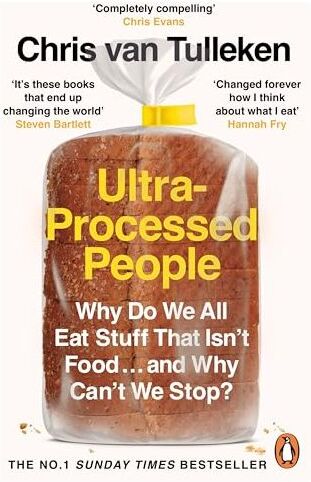
Penguin Ultra-Processed People: Why Do We All Eat Stuff That Isnt Food … and Why Cant We Stop?NOW WITH TWO BONUS CHAPTERS INCLUDING AN FAQTHE NUMBER ONE SUNDAY TIMES BESTSELLERFORTNUM & MASON'S DEBUT FOOD BOOK OF THE YEAR 2024A TIMES AND SUNDAY TIMES SCIENCE BOOK OF THE YEAR 2023AN ECONOMIST, DAILY MAIL, GOOD HOUSEKEEPING and AMAZON BEST BOOK OF THE YEAR 2023SHORTLISTED FOR WATERSTONE'S BOOK OF THE YEAR 2023Chosen by the SUNDAY TIMES, GUARDIAN, FT and DAILY MAIL as one of their BEST SUMMER BOOKS OF 2023'If you only read one diet or nutrition book in your life, make it this one' Bee Wilson'A devastating, witty and scholarly destruction of the shit food we eat and why' Adam Rutherford---An eye-opening investigation into the science, economics, history and production of ultra-processed food. It's not you, it's the food. We have entered a new 'age of eating' where most of our calories come from an entirely novel set of substances called Ultra-Processed Food, food which is industrially processed and designed and marketed to be addictive. But do we really know what it's doing to our bodies?Join Chris in his travels through the world of food science and a UPF diet to discover what's really going on. Find out why exercise and willpower can't save us, and what UPF is really doing to our bodies, our health, our weight, and the planet (hint: nothing good). For too long we've been told we just need to make different choices, when really we're living in a food environment that makes it nigh-on impossible. So this is a book about our rights. The right to know what we eat and what it does to our bodies and the right to good, affordable food. Number 1 Sunday Times bestseller, August 202310,95 £*Shipping: 2,99 £Secure redirect to the provider
-
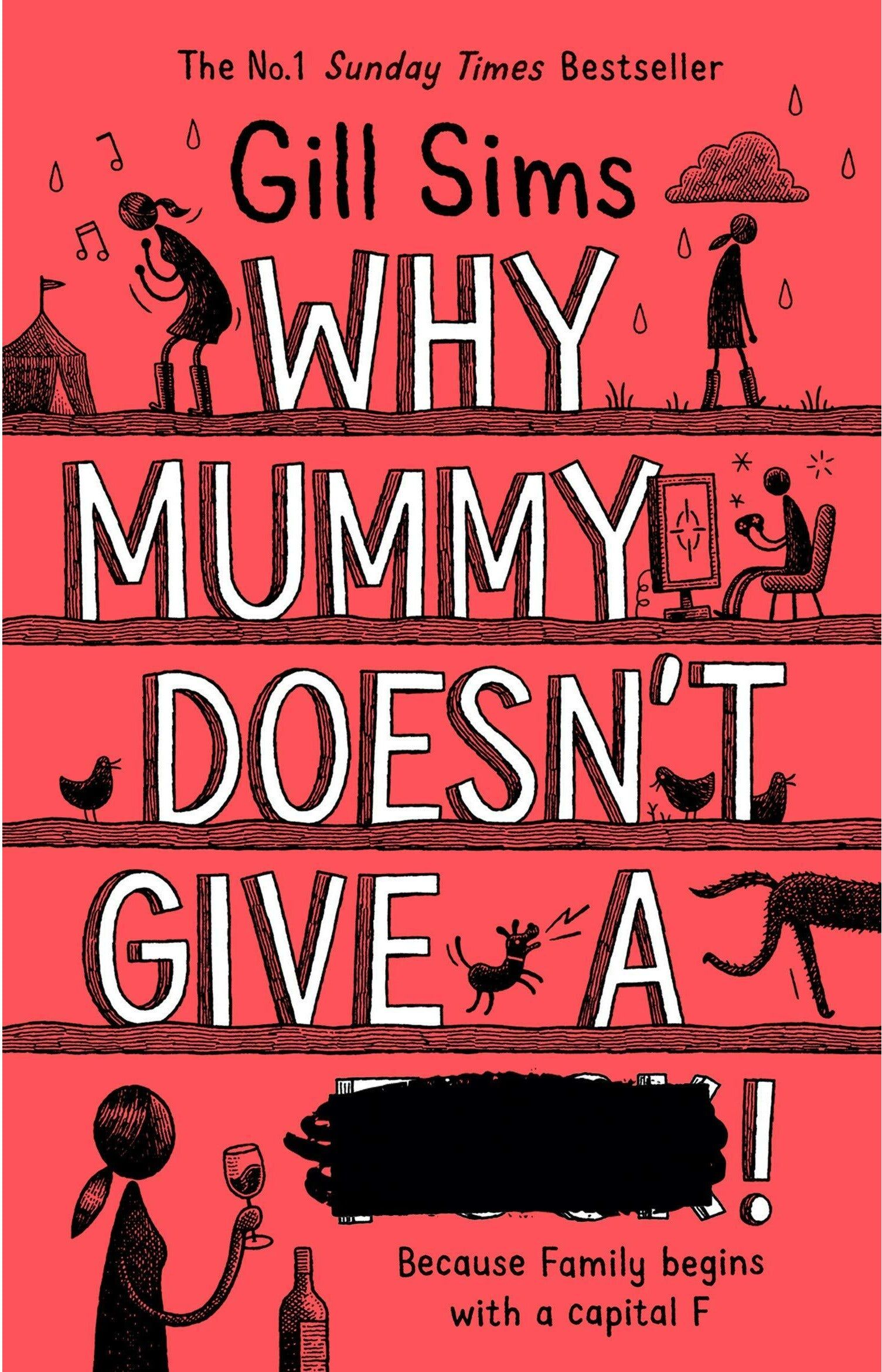
HARPERCOLLINS Gill Sims Why Mummy Series Collection 4 Books Set (Why Mummy Drinks, Why Mummy Swears, Why Mummy Does not Give a, Why Mummys Sloshed)Why Mummy Drinks It is Mummy’s 39th birthday. She is staring down the barrel of a future of people asking if she wants to come to their advanced yoga classes, and polite book clubs where everyone claims to be tiddly after a glass of Pinot Grigio and says things like ‘Oooh gosh, are you having another glass?’Why Mummy Swears The Boy Child Peter is connected to his iPad by an umbilical cord, The Girl Child Jane is desperate to make her fortune as an Instagram lifestyle influencer, while Daddy is constantly off on exotic business trips…Mummy’s marriage is feeling the strain, her kids are running wild and the house is steadily developing a forest of mould. Only Judgy, the Proud and Noble Terrier, remains loyal as always.Why Mummy Doesn’t Give a ****! Mummy dreams of a quirky rural cottage with roses around the door and chatty chickens in the garden. Life, as ever, is not going quite as she planned. Paxo, Oxo and Bisto turn out to be highly rambunctious, rather than merely chatty, and the roses have jaggy thorns. Her precious moppets are now giant teenagers, and instead of wittering at her about who would win in a fight – a dragon badger or a ninja horse – they are Snapchatting the night away.Why Mummy’s Sloshed Mummy has been a wife and mother for so long that she’s a little bit lost. And despite her best efforts, her precious moppets still don’t know the location of the laundry basket, the difference between being bored and being hungry, or that saying ‘I can’t find it Mummy’ is not the same as actually looking for it.15,95 £*Shipping: 2,99 £Secure redirect to the provider
-
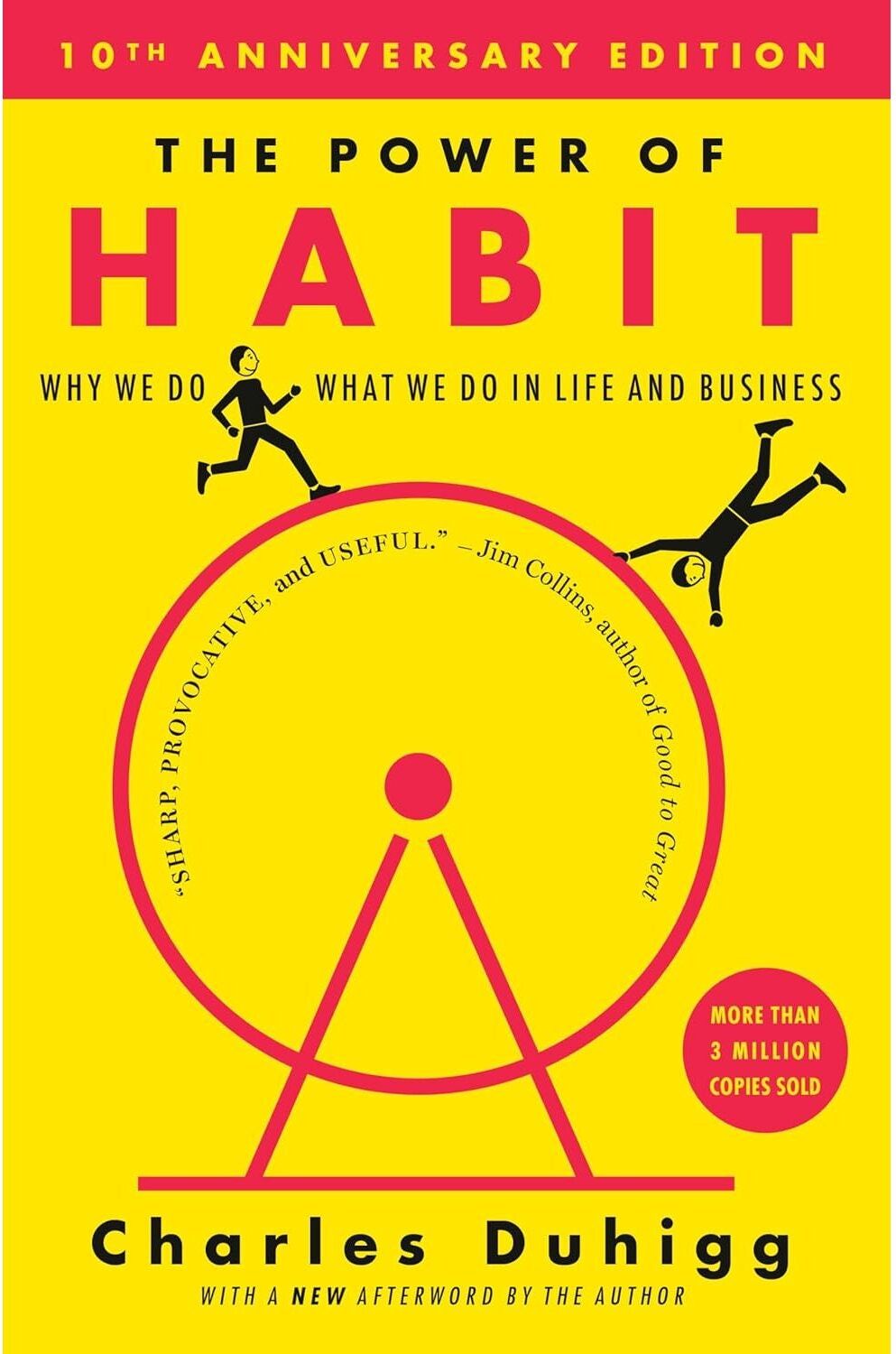
Random House Books The Power of Habit HARDBACK: Why We Do What We Do, and How to ChangeA WALL STREET JOURNAL AND FINANCIAL TIMES BEST BOOK OF THE YEAR In The Power of Habit, award-winning business reporter Charles Duhigg takes us to the thrilling edge of scientific discoveries that explain why habits exist and how they can be changed. Distilling vast amounts of information into engrossing narratives that take us from the boardrooms of Procter & Gamble to the sidelines of the NFL to the front lines of the civil rights movement, Duhigg presents a whole new understanding of human nature and its potential. At its core, The Power of Habit contains an exhilarating argument: The key to exercising regularly, losing weight, being more productive, and achieving success is understanding how habits work. As Duhigg shows, by harnessing this new science, we can transform our businesses, our communities, and our lives.9,49 £*Shipping: 2,99 £Secure redirect to the provider
-
Penguin Why We Eat (Too Much) and Metabolical 2 Books Collection SetWhy We Eat (Too Much) by Dr Andrew Jenkinson We've all heard the golden rule: eat less, exercise more and you'll lose weight. But what if it isn't that simple? For over two decades, weight loss surgeon Dr Andrew Jenkinson has treated thousands of people who have become trapped in the endless cycle of dieting. Why We Eat (Too Much), combines case studies from his practice and the new science of metabolism to illuminate how our appetite really works. Debunking myths of about body and systematically explaining why dieting is counter-productive, this unflinching book investigates every aspect of nutrition: from the 'set weight point' that is unique to all of us, to good and bad fats, and from how genes impact our weight to how our hormones are affected after a diet ends. Metabolical by Dr Robert Lustig Did you know that 62% of the food in our supermarkets is not only processed but 'ultra-processed' (ingredients from other foods are combined to make something 'new', often in colours that do not exist in nature) and that data shows that by eating this kind of food over time we are literally slowly poisoning ourselves? In the hard-hitting, ground-breaking tradition of his NY Times bestseller FAT CHANCE, which revealed the dangers of sugar, Dr Robert Lustig persuasively presents a stark exposé of how our addiction to processed foods (aided and abetted by the food industry, big ag, big pharma, institutional medicine and the government) is behind the lethal increase in major non-communicable diseases, including diabetes, heart disease, fatty liver disease, cancer and dementia. We have come to accept that these chronic diseases are simply part of the 'natural ageing process', but Dr Lustig makes the case that this is simply not true.12,90 £*Shipping: 2,99 £Secure redirect to the provider

-
Do vapes reduce lifespan?
There is evidence to suggest that vaping can have negative effects on health, but it is not yet clear if it directly reduces lifespan. Vaping has been linked to lung damage, cardiovascular issues, and other health problems, which could potentially impact lifespan. However, more research is needed to fully understand the long-term effects of vaping on overall lifespan. It is important to consider the potential risks and make informed decisions about vaping based on the available evidence. **
-
Does rheumatism shorten lifespan?
Rheumatism itself does not directly shorten lifespan. However, the chronic pain and inflammation associated with rheumatism can lead to decreased mobility and physical activity, which may contribute to other health issues such as obesity, cardiovascular disease, and depression. Additionally, some forms of rheumatism, such as rheumatoid arthritis, can increase the risk of complications such as heart disease and lung problems, which may impact overall lifespan. Proper management of rheumatism through medication, exercise, and lifestyle changes can help minimize these risks and improve overall health and longevity. **
-
Why don't we give people with health restrictions work?
People with health restrictions may not be given work due to concerns about their ability to perform the job safely and effectively. Employers may worry about the potential impact of the health restrictions on the individual's productivity, attendance, and ability to meet job requirements. Additionally, there may be concerns about the potential need for accommodations or modifications to the work environment, which could be perceived as burdensome or costly. However, it's important to note that with the right support and accommodations, many individuals with health restrictions can successfully contribute to the workforce. **
-
Why do we need therapy for every little thing nowadays?
Therapy is not just for "every little thing," but rather for addressing a wide range of mental health issues and life challenges. In today's fast-paced and stressful world, many people are experiencing increased levels of anxiety, depression, and other mental health issues. Therapy provides a safe and supportive space for individuals to explore their thoughts and feelings, develop coping strategies, and work towards positive change. Seeking therapy for various concerns is a proactive and healthy way to prioritize mental well-being and overall wellness. **

What is the average lifespan?
The average lifespan varies depending on the country and region. However, globally, the average lifespan is around 72-73 years. Factors such as access to healthcare, quality of life, genetics, and lifestyle choices all play a role in determining an individual's lifespan. With advancements in medical technology and healthcare, the average lifespan is expected to continue increasing in the future. **
What is the best lifespan?
The best lifespan is subjective and can vary from person to person. Some may believe that a long life is the best, allowing for more time to experience and accomplish things. Others may prioritize quality over quantity, valuing a life filled with happiness, fulfillment, and good health. Ultimately, the best lifespan is one that is meaningful and brings joy and satisfaction to the individual living it. **
Top-Angebote
Products related to HARPERCOLLINS-Lifespan-Why-We:
-
HARPERCOLLINS Lifespan: Why We Age and Why We Dont Have ToLifespan - Why We Age and Why We Dont Have To Description In this paradigm-shifting book from acclaimed Harvard Medical School doctor and one of TIME magazine's 100 most influential people on earth; Dr. David Sinclair reveals that everything we think we know about ageing is wrong; and shares the surprising; scientifically-proven methods that can help readers live younger; longer. For decades; the medical community has looked to a variety of reasons for why we age; and the consensus is that no one dies of old age; they die of age-related diseases. That's because ageing is not a disease - it is inevitable. But what if everything you think you know about ageing is wrong?What if ageing is a disease? And that disease is curable. In LIFESPAN; Dr. David Sinclair; one of the world's foremost authorities on genetics and ageing; argues just that. He has dedicated his life's work to chasing more than a longer lifespan - he wants to enable people to live longer; healthier; and disease-free well into our hundreds. In this book; he reveals a bold new theory of ageing; one that pinpoints a root cause of ageing that lies in an ancient genetic survival circuit. This genetic trick - a circuit designed to halt reproduction in order to repair damage to the genome -has enabled earth's early microcosms to survive and evolve into more advanced organisms. But this same survival circuit is the reason we age: as genetic damage accumulates over our lifespans from UV rays; environmental toxins; and unhealthy diets; our genome is overwhelmed; causing gray hair; wrinkles; achy joints; heart issues; dementia; and; ultimately; death. But genes aren't our destiny; we have more control over them than we've been taught to believe. We can't change our DNA; but we can harness the power of the epigenome to realise the true potential of our genes. Drawing on his cutting-edge findings at the forefront of medical research; Dr. Sinclair will provide a scientifically-proven roadmap to reverse the genetic clock by activating our vitality genes; so we can live younger longer. Readers will discover how a few simple lifestyle changes - like intermittent fasting; avoiding too much animal protein; limiting sugar; avoiding x-rays; exercising with the right intensity; and even trying cold therapy - can activate our vitality genes. Dr. Sinclair ends the book with a look to the near future; exploring what the world might look like - and what will need to change - when we are all living well to 120 or more. Dr. Sinclair takes what we have long accepted as the limits of human potential and mortality and turns them into choices. THE EVOLUTION OF AGEING is destined to be the biggest book on genes; biology; and longevity of this decade.7,95 £*Shipping: 2,99 £Secure redirect to the provider
-
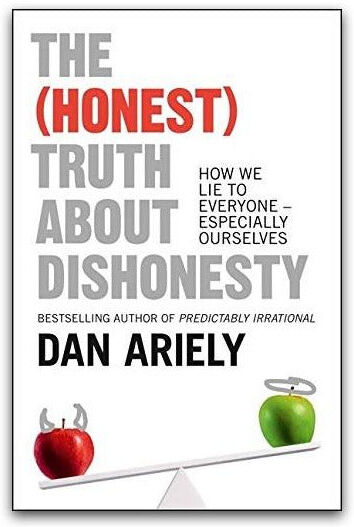
HARPERCOLLINS The Honest Truth About Dishonesty by Dan Ariely – Why We Lie & Human Behavior ExplainedFascinating and provocative, Ariely's The Truth About Dishonesty is an insightful and brilliantly researched take on cheating, deception and willpower. Internationally bestselling author Ariely pulls no punches when it comes to home truths. Previous titles Predictably Irrational and The Upside Of Irrationality have becomes classics in their field, revealing unexpected and astonishing traits that run through modern humankind. Now acclaimed behavioural economist Dan Ariely delves deeper into the dark and murky recesses of contemporary psychology, daring to ask the big questions: What makes us cheat? How and why do we rationalise deception of ourselves and other people, and make ourselves 'wishfully blind' to the blindingly obvious? What affects our infuriatingly intangible willpower and how can we 'catch' the cheating bug from other bad apples? If you've ever wondered how a whole company can turn a blind eye to evident misdemeanours within their ranks, whether people are born dishonest and whether you can really be successful by being totally, brutally honest, then Dan has the answers, and many more.5,45 £*Shipping: 2,99 £Secure redirect to the provider
-
Penguin Ultra-Processed People: Why Do We All Eat Stuff That Isnt Food … and Why Cant We Stop?NOW WITH TWO BONUS CHAPTERS INCLUDING AN FAQTHE NUMBER ONE SUNDAY TIMES BESTSELLERFORTNUM & MASON'S DEBUT FOOD BOOK OF THE YEAR 2024A TIMES AND SUNDAY TIMES SCIENCE BOOK OF THE YEAR 2023AN ECONOMIST, DAILY MAIL, GOOD HOUSEKEEPING and AMAZON BEST BOOK OF THE YEAR 2023SHORTLISTED FOR WATERSTONE'S BOOK OF THE YEAR 2023Chosen by the SUNDAY TIMES, GUARDIAN, FT and DAILY MAIL as one of their BEST SUMMER BOOKS OF 2023'If you only read one diet or nutrition book in your life, make it this one' Bee Wilson'A devastating, witty and scholarly destruction of the shit food we eat and why' Adam Rutherford---An eye-opening investigation into the science, economics, history and production of ultra-processed food. It's not you, it's the food. We have entered a new 'age of eating' where most of our calories come from an entirely novel set of substances called Ultra-Processed Food, food which is industrially processed and designed and marketed to be addictive. But do we really know what it's doing to our bodies?Join Chris in his travels through the world of food science and a UPF diet to discover what's really going on. Find out why exercise and willpower can't save us, and what UPF is really doing to our bodies, our health, our weight, and the planet (hint: nothing good). For too long we've been told we just need to make different choices, when really we're living in a food environment that makes it nigh-on impossible. So this is a book about our rights. The right to know what we eat and what it does to our bodies and the right to good, affordable food. Number 1 Sunday Times bestseller, August 202310,95 £*Shipping: 2,99 £Secure redirect to the provider
-
HARPERCOLLINS Gill Sims Why Mummy Series Collection 4 Books Set (Why Mummy Drinks, Why Mummy Swears, Why Mummy Does not Give a, Why Mummys Sloshed)Why Mummy Drinks It is Mummy’s 39th birthday. She is staring down the barrel of a future of people asking if she wants to come to their advanced yoga classes, and polite book clubs where everyone claims to be tiddly after a glass of Pinot Grigio and says things like ‘Oooh gosh, are you having another glass?’Why Mummy Swears The Boy Child Peter is connected to his iPad by an umbilical cord, The Girl Child Jane is desperate to make her fortune as an Instagram lifestyle influencer, while Daddy is constantly off on exotic business trips…Mummy’s marriage is feeling the strain, her kids are running wild and the house is steadily developing a forest of mould. Only Judgy, the Proud and Noble Terrier, remains loyal as always.Why Mummy Doesn’t Give a ****! Mummy dreams of a quirky rural cottage with roses around the door and chatty chickens in the garden. Life, as ever, is not going quite as she planned. Paxo, Oxo and Bisto turn out to be highly rambunctious, rather than merely chatty, and the roses have jaggy thorns. Her precious moppets are now giant teenagers, and instead of wittering at her about who would win in a fight – a dragon badger or a ninja horse – they are Snapchatting the night away.Why Mummy’s Sloshed Mummy has been a wife and mother for so long that she’s a little bit lost. And despite her best efforts, her precious moppets still don’t know the location of the laundry basket, the difference between being bored and being hungry, or that saying ‘I can’t find it Mummy’ is not the same as actually looking for it.15,95 £*Shipping: 2,99 £Secure redirect to the provider
-
Why do products have a limited lifespan?
Products have a limited lifespan due to factors such as wear and tear, technological advancements, and changes in consumer preferences. Over time, products may degrade or become obsolete, prompting consumers to replace them with newer models. Additionally, companies may intentionally design products with a limited lifespan to encourage repeat purchases and drive sales. This concept, known as planned obsolescence, is a common strategy used in the consumer electronics industry. **
-
Do vaccinations affect lifespan?
Vaccinations can indirectly affect lifespan by preventing serious illnesses and complications that can lead to premature death. By protecting individuals from infectious diseases, vaccinations can help them live longer, healthier lives. However, the impact of vaccinations on lifespan may vary depending on factors such as the individual's overall health, access to healthcare, and lifestyle choices. Overall, vaccinations play a crucial role in improving public health and reducing mortality rates. **
-
Do vapes reduce lifespan?
There is evidence to suggest that vaping can have negative effects on health, but it is not yet clear if it directly reduces lifespan. Vaping has been linked to lung damage, cardiovascular issues, and other health problems, which could potentially impact lifespan. However, more research is needed to fully understand the long-term effects of vaping on overall lifespan. It is important to consider the potential risks and make informed decisions about vaping based on the available evidence. **
-
Does rheumatism shorten lifespan?
Rheumatism itself does not directly shorten lifespan. However, the chronic pain and inflammation associated with rheumatism can lead to decreased mobility and physical activity, which may contribute to other health issues such as obesity, cardiovascular disease, and depression. Additionally, some forms of rheumatism, such as rheumatoid arthritis, can increase the risk of complications such as heart disease and lung problems, which may impact overall lifespan. Proper management of rheumatism through medication, exercise, and lifestyle changes can help minimize these risks and improve overall health and longevity. **
Similar search terms for HARPERCOLLINS-Lifespan-Why-We
-
Random House Books The Power of Habit HARDBACK: Why We Do What We Do, and How to ChangeA WALL STREET JOURNAL AND FINANCIAL TIMES BEST BOOK OF THE YEAR In The Power of Habit, award-winning business reporter Charles Duhigg takes us to the thrilling edge of scientific discoveries that explain why habits exist and how they can be changed. Distilling vast amounts of information into engrossing narratives that take us from the boardrooms of Procter & Gamble to the sidelines of the NFL to the front lines of the civil rights movement, Duhigg presents a whole new understanding of human nature and its potential. At its core, The Power of Habit contains an exhilarating argument: The key to exercising regularly, losing weight, being more productive, and achieving success is understanding how habits work. As Duhigg shows, by harnessing this new science, we can transform our businesses, our communities, and our lives.9,49 £*Shipping: 2,99 £Secure redirect to the provider
-
Penguin Why We Eat (Too Much) and Metabolical 2 Books Collection SetWhy We Eat (Too Much) by Dr Andrew Jenkinson We've all heard the golden rule: eat less, exercise more and you'll lose weight. But what if it isn't that simple? For over two decades, weight loss surgeon Dr Andrew Jenkinson has treated thousands of people who have become trapped in the endless cycle of dieting. Why We Eat (Too Much), combines case studies from his practice and the new science of metabolism to illuminate how our appetite really works. Debunking myths of about body and systematically explaining why dieting is counter-productive, this unflinching book investigates every aspect of nutrition: from the 'set weight point' that is unique to all of us, to good and bad fats, and from how genes impact our weight to how our hormones are affected after a diet ends. Metabolical by Dr Robert Lustig Did you know that 62% of the food in our supermarkets is not only processed but 'ultra-processed' (ingredients from other foods are combined to make something 'new', often in colours that do not exist in nature) and that data shows that by eating this kind of food over time we are literally slowly poisoning ourselves? In the hard-hitting, ground-breaking tradition of his NY Times bestseller FAT CHANCE, which revealed the dangers of sugar, Dr Robert Lustig persuasively presents a stark exposé of how our addiction to processed foods (aided and abetted by the food industry, big ag, big pharma, institutional medicine and the government) is behind the lethal increase in major non-communicable diseases, including diabetes, heart disease, fatty liver disease, cancer and dementia. We have come to accept that these chronic diseases are simply part of the 'natural ageing process', but Dr Lustig makes the case that this is simply not true.12,90 £*Shipping: 2,99 £Secure redirect to the provider
-
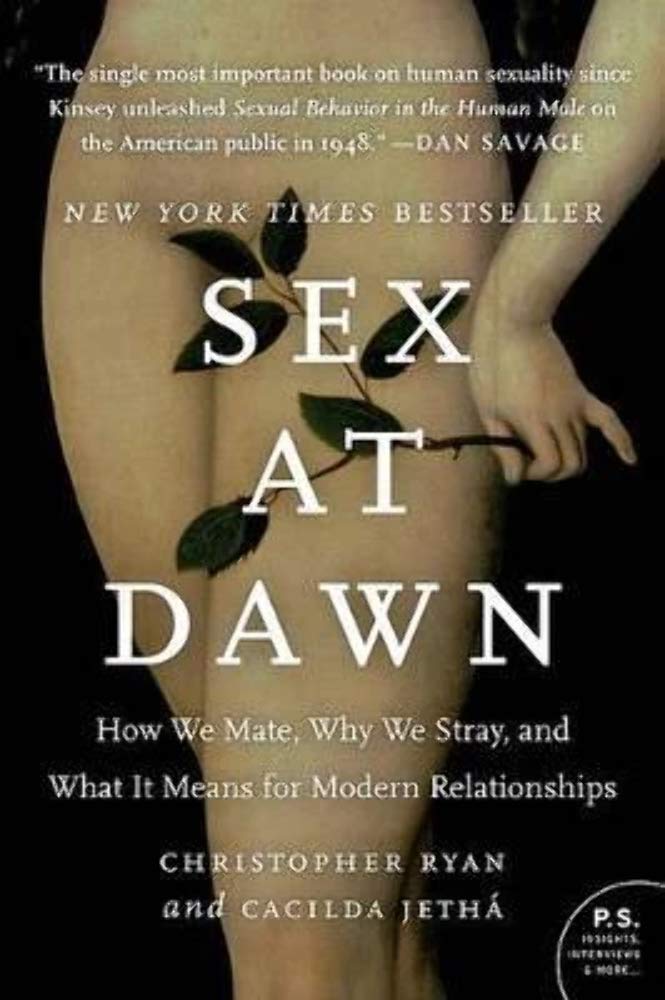
Harper Perennial Sex at Dawn: How We Mate, Why We Stray, and What It Means for Modern Relationships (P.S.)A controversial, idea-driven work of evolutionary psychology and anthropology that challenges everything you (think you) know about sex, monogamy, marriage, and family. In the words of Steve Taylor (The Fall, Waking From Sleep), Sex at Dawn is “a wonderfully provocative and well-written book which completely re-evaluates human sexual behavior and gets to the root of many of our social and psychological ills.” What if our struggles with monogamy, jealousy, and libido aren’t a personal failure, but an evolutionary mismatch? The Standard Narrative: A look at how the conventional story of human monogamy was built on flawed, outdated assumptions from the Victorian era. Primate Politics: Why our peaceful, hypersexual bonobo cousins may be a better model for our ancestral past than the violent, hierarchical chimpanzee. Foraging Societies: An exploration of our hunter-gatherer ancestors, who lived in fiercely egalitarian groups that shared food, child care, and even sexual partners. Sperm Competition: How human anatomy—from testis size to the female orgasm—points to a prehistory of multiple mating partners for both sexes. Modern Relationships: A new framework for understanding why passion fades, why so many struggle with monogamy, and what it means for our relationships today.5,99 £*Shipping: 2,99 £Secure redirect to the provider
-
HARPERCOLLINS When We Got Lost in Dreamland by Ross WelfordWhen eleven-year-old Malky and his younger brother Seb become the owners of a “Dreaminator”, they are thrust into worlds beyond their wildest imagination. From tree-top flights and Spanish galleons, to thrilling battles and sporting greatness – it seems like nothing is out of reach when you can share a dream with someone else. But… impossible dreams come with incredible risks, and when Seb won’t wake up and is taken to hospital in a coma, Malky is forced to leave reality behind and undertake a final, terrifying journey to the stone-age to wake his brother…4,99 £*Shipping: 1,99 £Secure redirect to the provider
-
Why don't we give people with health restrictions work?
People with health restrictions may not be given work due to concerns about their ability to perform the job safely and effectively. Employers may worry about the potential impact of the health restrictions on the individual's productivity, attendance, and ability to meet job requirements. Additionally, there may be concerns about the potential need for accommodations or modifications to the work environment, which could be perceived as burdensome or costly. However, it's important to note that with the right support and accommodations, many individuals with health restrictions can successfully contribute to the workforce. **
-
Why do we need therapy for every little thing nowadays?
Therapy is not just for "every little thing," but rather for addressing a wide range of mental health issues and life challenges. In today's fast-paced and stressful world, many people are experiencing increased levels of anxiety, depression, and other mental health issues. Therapy provides a safe and supportive space for individuals to explore their thoughts and feelings, develop coping strategies, and work towards positive change. Seeking therapy for various concerns is a proactive and healthy way to prioritize mental well-being and overall wellness. **
-
What is the average lifespan?
The average lifespan varies depending on the country and region. However, globally, the average lifespan is around 72-73 years. Factors such as access to healthcare, quality of life, genetics, and lifestyle choices all play a role in determining an individual's lifespan. With advancements in medical technology and healthcare, the average lifespan is expected to continue increasing in the future. **
-
What is the best lifespan?
The best lifespan is subjective and can vary from person to person. Some may believe that a long life is the best, allowing for more time to experience and accomplish things. Others may prioritize quality over quantity, valuing a life filled with happiness, fulfillment, and good health. Ultimately, the best lifespan is one that is meaningful and brings joy and satisfaction to the individual living it. **
* All prices are inclusive of VAT and, if applicable, plus shipping costs. The offer information is based on the details provided by the respective shop and is updated through automated processes. Real-time updates do not occur, so deviations can occur in individual cases. ** Note: Parts of this content were created by AI.