Buy saunameister.eu ?
We are moving the project
saunameister.eu .
Are you interested in purchasing the domain
saunameister.eu ?
domain@kv-gmbh.de · 0541-91531010
Buy saunameister.eu ?
Does the engine get damaged if you open the radiator cap?
Yes, opening the radiator cap while the engine is hot can be dangerous as it can release hot steam and coolant under pressure, potentially causing burns. Additionally, removing the radiator cap can disrupt the cooling system's pressure balance and lead to coolant leakage. It is recommended to wait until the engine has cooled down before opening the radiator cap to avoid any potential damage or injury. **
Was it bad that steam was escaping from the radiator cap when the engine was still hot?
Yes, it was bad that steam was escaping from the radiator cap when the engine was still hot. This could indicate that the cooling system is not functioning properly, which can lead to overheating and potential damage to the engine. It is important to address this issue promptly to prevent further damage and ensure the safe operation of the vehicle. **
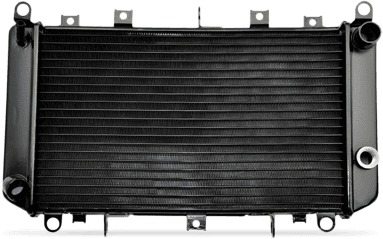
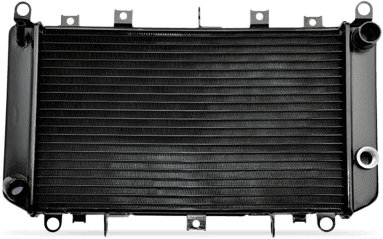
Similar search terms for CLIMTEX-CH1-088-Engine-radiator
Top-Angebote
Products related to CLIMTEX-CH1-088-Engine-radiator:
-
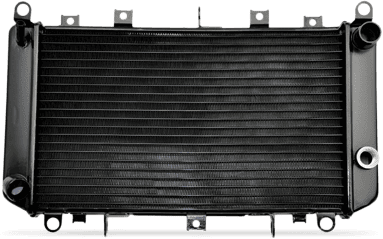
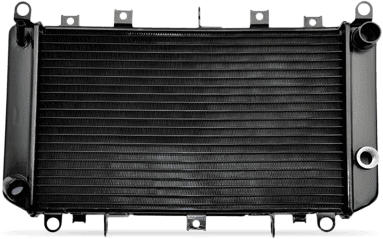
CLIMTEX CH1-216 Engine radiatorCore Length [mm]: 630; Core Width [mm]: 416; Core Depth [mm]: 34; Cooling Fin Material: Aluminium; Water Tank Material (radiator): Plastic; Radiator type: Brazed cooling fins; Vehicle Equipment: for vehicles with air conditioning; Transmission Type: Automatic Transmission; TecDoc Engine Number: 18008, 1896869,99 £*Shipping: 8,45 £Secure redirect to the provider
-
CLIMTEX CH1-864 Engine radiatorCore Length [mm]: 380; Core Width [mm]: 544; Core Depth [mm]: 25; Cooling Fin Material: Aluminium; Water Tank Material (radiator): Plastic; Radiator type: Mechanically jointed cooling fins; Transmission Type: Manual-/optional automatic transmission, 4-Speed Automatic Transmission, 5-Speed Manual Transmission; Construction Year from: 05/2005; TecDoc Engine Number: 45129, 30658, 31969, 25101, 24936, 24933, 25092, 25093, 28249, 25097, 32315; Engine Code: DV4C, EP6/EP6C, EB2F; Vehicle Equipment: for vehicles with air conditioning, for vehicles with/without air conditioning; for model code: Crossland X, Crossland, DS3 Crossback; Vehicle Production Country: Slovakia47,49 £*Shipping: 8,45 £Secure redirect to the provider
-
CLIMTEX CH1-542 Engine radiatorCore Length [mm]: 678; Core Width [mm]: 440; Core Depth [mm]: 32; Cooling Fin Material: Aluminium; Water Tank Material (radiator): Plastic; Vehicle Equipment: for vehicles with air conditioning; Transmission Type: Manual Transmission, 6-Speed Manual Transmission75,99 £*Shipping: 8,45 £Secure redirect to the provider
-
CLIMTEX CH1-172 Engine radiatorCooling Fin Material: Aluminium; Water Tank Material (radiator): Plastic; Radiator type: Mechanically jointed cooling fins; Vehicle Equipment: for vehicles without air conditioning; Transmission Type: Manual Transmission, 5-Speed Manual Transmission; Construction Year from: 11/1998, 04/1998, 09/1998; for RPO number up to: 07813, 07973; Construction Year to: 08/200070,99 £*Shipping: 8,45 £Secure redirect to the provider
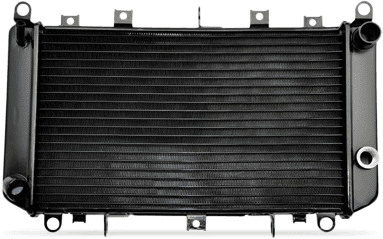
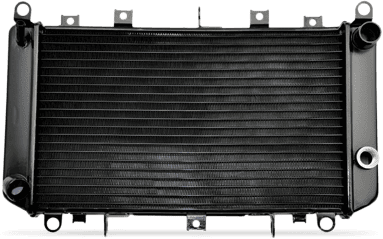
-
Was it bad that steam was coming out of the radiator cap when the engine was still hot?
Yes, it is not a good sign if steam is coming out of the radiator cap when the engine is still hot. This could indicate that the engine is overheating, which can lead to serious damage if not addressed promptly. It is important to let the engine cool down before attempting to open the radiator cap to avoid any potential injuries from the steam. It is recommended to have the cooling system checked by a professional to determine the cause of the overheating. **
-
Steam engine inventor
The steam engine was invented by Thomas Savery in 1698 and later improved upon by Thomas Newcomen in 1712. However, it was James Watt who is often credited as the inventor of the modern steam engine in the 18th century. Watt's improvements to the steam engine, such as the separate condenser and rotary motion, revolutionized industries like mining, transportation, and manufacturing. His inventions played a crucial role in the Industrial Revolution and the development of modern society. **
-
Which radiator heats better: a flat panel radiator or a ribbed radiator?
A ribbed radiator typically heats better than a flat panel radiator. The ribbed design increases the surface area of the radiator, allowing for more efficient heat transfer. This means that a ribbed radiator can heat a room more quickly and effectively than a flat panel radiator. Additionally, the ribbed design allows for better circulation of air, further enhancing its heating capabilities. **
-
Inventor of the steam engine
The inventor of the steam engine is considered to be Thomas Savery, an English military engineer and inventor. He developed the first commercially used steam engine in the late 17th century, known as the "Miner's Friend." However, it was Thomas Newcomen who made significant improvements to the steam engine design, leading to its widespread use in various industries. James Watt further revolutionized the steam engine in the 18th century with his improvements, making it more efficient and practical for a wide range of applications. **

Invention of the steam engine
The invention of the steam engine is credited to Thomas Savery in 1698 and later improved upon by Thomas Newcomen in 1712. The steam engine revolutionized transportation, manufacturing, and agriculture by providing a more efficient source of power. It played a crucial role in the Industrial Revolution, leading to advancements in technology and the growth of industries. The steam engine paved the way for the development of trains, steamboats, and various machinery, transforming society and the way people lived and worked. **
Is democracy a steam engine?
No, democracy is not a steam engine. Democracy is a system of government where power is vested in the people and exercised through elected representatives. It is based on principles of equality, freedom, and participation. On the other hand, a steam engine is a mechanical device that uses steam to generate power. While both democracy and steam engines involve the concept of power, they operate in very different ways and serve different purposes. **
Top-Angebote
Products related to CLIMTEX-CH1-088-Engine-radiator:
-
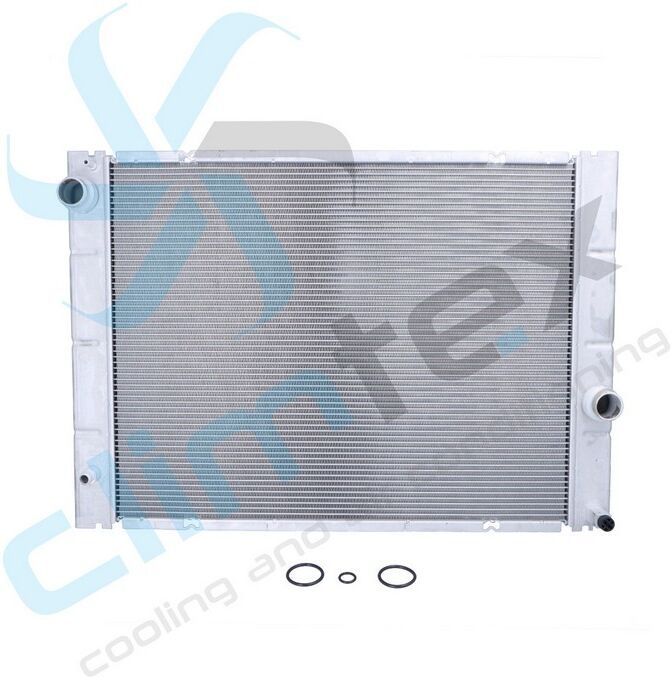
CLIMTEX CH1-088 Engine radiatorCore Length [mm]: 790; Core Width [mm]: 400; Core Depth [mm]: 35; Cooling Fin Material: Aluminium; Supplementary Article / Supplementary Info Info 2: with frame; Water Tank Material (radiator): Plastic; Vehicle Equipment: for vehicles with air conditioning, for vehicles without air conditioning, for vehicles with/without air conditioning; for model code: Ducato 14, Jumper, Relay, Jumper 31; Transmission Type: Manual-/optional automatic transmission, 5-Speed Manual Transmission, Manual Transmission; Vehicle type: Relay, Jumper89,49 £*Shipping: 8,45 £Secure redirect to the provider
-
CLIMTEX CH1-858 Engine radiatorCore Length [mm]: 600; Core Width [mm]: 399; Core Depth [mm]: 26; Cooling Fin Material: Aluminium; Water Tank Material (radiator): Plastic; Radiator type: Brazed cooling fins; Transmission Type: Manual Transmission; Vehicle type: Zafira Van; Vehicle Equipment: for vehicles with/without air conditioning; Construction Year to: 12/2006, 10/200566,49 £*Shipping: 8,45 £Secure redirect to the provider
-
CLIMTEX CH1-216 Engine radiatorCore Length [mm]: 630; Core Width [mm]: 416; Core Depth [mm]: 34; Cooling Fin Material: Aluminium; Water Tank Material (radiator): Plastic; Radiator type: Brazed cooling fins; Vehicle Equipment: for vehicles with air conditioning; Transmission Type: Automatic Transmission; TecDoc Engine Number: 18008, 1896869,99 £*Shipping: 8,45 £Secure redirect to the provider
-
CLIMTEX CH1-864 Engine radiatorCore Length [mm]: 380; Core Width [mm]: 544; Core Depth [mm]: 25; Cooling Fin Material: Aluminium; Water Tank Material (radiator): Plastic; Radiator type: Mechanically jointed cooling fins; Transmission Type: Manual-/optional automatic transmission, 4-Speed Automatic Transmission, 5-Speed Manual Transmission; Construction Year from: 05/2005; TecDoc Engine Number: 45129, 30658, 31969, 25101, 24936, 24933, 25092, 25093, 28249, 25097, 32315; Engine Code: DV4C, EP6/EP6C, EB2F; Vehicle Equipment: for vehicles with air conditioning, for vehicles with/without air conditioning; for model code: Crossland X, Crossland, DS3 Crossback; Vehicle Production Country: Slovakia47,49 £*Shipping: 8,45 £Secure redirect to the provider
-
Does the engine get damaged if you open the radiator cap?
Yes, opening the radiator cap while the engine is hot can be dangerous as it can release hot steam and coolant under pressure, potentially causing burns. Additionally, removing the radiator cap can disrupt the cooling system's pressure balance and lead to coolant leakage. It is recommended to wait until the engine has cooled down before opening the radiator cap to avoid any potential damage or injury. **
-
Was it bad that steam was escaping from the radiator cap when the engine was still hot?
Yes, it was bad that steam was escaping from the radiator cap when the engine was still hot. This could indicate that the cooling system is not functioning properly, which can lead to overheating and potential damage to the engine. It is important to address this issue promptly to prevent further damage and ensure the safe operation of the vehicle. **
-
Was it bad that steam was coming out of the radiator cap when the engine was still hot?
Yes, it is not a good sign if steam is coming out of the radiator cap when the engine is still hot. This could indicate that the engine is overheating, which can lead to serious damage if not addressed promptly. It is important to let the engine cool down before attempting to open the radiator cap to avoid any potential injuries from the steam. It is recommended to have the cooling system checked by a professional to determine the cause of the overheating. **
-
Steam engine inventor
The steam engine was invented by Thomas Savery in 1698 and later improved upon by Thomas Newcomen in 1712. However, it was James Watt who is often credited as the inventor of the modern steam engine in the 18th century. Watt's improvements to the steam engine, such as the separate condenser and rotary motion, revolutionized industries like mining, transportation, and manufacturing. His inventions played a crucial role in the Industrial Revolution and the development of modern society. **
Similar search terms for CLIMTEX-CH1-088-Engine-radiator
-
CLIMTEX CH1-542 Engine radiatorCore Length [mm]: 678; Core Width [mm]: 440; Core Depth [mm]: 32; Cooling Fin Material: Aluminium; Water Tank Material (radiator): Plastic; Vehicle Equipment: for vehicles with air conditioning; Transmission Type: Manual Transmission, 6-Speed Manual Transmission75,99 £*Shipping: 8,45 £Secure redirect to the provider
-
CLIMTEX CH1-172 Engine radiatorCooling Fin Material: Aluminium; Water Tank Material (radiator): Plastic; Radiator type: Mechanically jointed cooling fins; Vehicle Equipment: for vehicles without air conditioning; Transmission Type: Manual Transmission, 5-Speed Manual Transmission; Construction Year from: 11/1998, 04/1998, 09/1998; for RPO number up to: 07813, 07973; Construction Year to: 08/200070,99 £*Shipping: 8,45 £Secure redirect to the provider
-
CLIMTEX CH1-830 Engine radiatorOutlet Diameter [mm]: 38,4; Core Length [mm]: 594; Inlet Diameter [mm]: 38,4; Cooling Fin Material: Aluminium; Water Tank Material (radiator): Aluminium; Vehicle Equipment: for vehicles with air conditioning, for vehicles with sports package; Transmission Type: Automatic Transmission, Semi-automatic, 6-Speed Automatic Transmission, 6-Speed Manual Transmission, 8-Speed Automatic Transmission; Construction Year from: 05/2010; Left-/right-hand drive vehicles: for left-hand drive vehicles, for right-hand drive vehicles175,99 £*Shipping: 1,99 £Secure redirect to the provider
-
Which radiator heats better: a flat panel radiator or a ribbed radiator?
A ribbed radiator typically heats better than a flat panel radiator. The ribbed design increases the surface area of the radiator, allowing for more efficient heat transfer. This means that a ribbed radiator can heat a room more quickly and effectively than a flat panel radiator. Additionally, the ribbed design allows for better circulation of air, further enhancing its heating capabilities. **
-
Inventor of the steam engine
The inventor of the steam engine is considered to be Thomas Savery, an English military engineer and inventor. He developed the first commercially used steam engine in the late 17th century, known as the "Miner's Friend." However, it was Thomas Newcomen who made significant improvements to the steam engine design, leading to its widespread use in various industries. James Watt further revolutionized the steam engine in the 18th century with his improvements, making it more efficient and practical for a wide range of applications. **
-
Invention of the steam engine
The invention of the steam engine is credited to Thomas Savery in 1698 and later improved upon by Thomas Newcomen in 1712. The steam engine revolutionized transportation, manufacturing, and agriculture by providing a more efficient source of power. It played a crucial role in the Industrial Revolution, leading to advancements in technology and the growth of industries. The steam engine paved the way for the development of trains, steamboats, and various machinery, transforming society and the way people lived and worked. **
-
Is democracy a steam engine?
No, democracy is not a steam engine. Democracy is a system of government where power is vested in the people and exercised through elected representatives. It is based on principles of equality, freedom, and participation. On the other hand, a steam engine is a mechanical device that uses steam to generate power. While both democracy and steam engines involve the concept of power, they operate in very different ways and serve different purposes. **
* All prices are inclusive of VAT and, if applicable, plus shipping costs. The offer information is based on the details provided by the respective shop and is updated through automated processes. Real-time updates do not occur, so deviations can occur in individual cases. ** Note: Parts of this content were created by AI.