Buy saunameister.eu ?
We are moving the project
saunameister.eu .
Are you interested in purchasing the domain
saunameister.eu ?
domain@kv-gmbh.de · 0541-91531010
Buy saunameister.eu ?
How do you draw trehalose in a 2-11 glycosidic bond?
To draw trehalose in a 2-11 glycosidic bond, you would first draw two glucose molecules connected by an alpha-1,1 glycosidic bond. Then, you would add another glucose molecule to the first glucose molecule in the 2 position, forming a 1,2 glycosidic bond. Finally, you would add the last glucose molecule to the second glucose molecule in the 1 position, forming a 2,1 glycosidic bond. This structure represents trehalose in a 2-11 glycosidic bond. **
How long does the therapy assessment process take?
The therapy assessment process can vary in length depending on the individual and the specific circumstances. Typically, the assessment process can take anywhere from one to three sessions, each lasting around 60-90 minutes. However, in some cases, it may take longer if there are complex issues to explore or if the therapist needs to gather more information before making a treatment plan. It's important to remember that the assessment process is crucial for the therapist to gain a thorough understanding of the client's needs and to develop an effective treatment plan. **
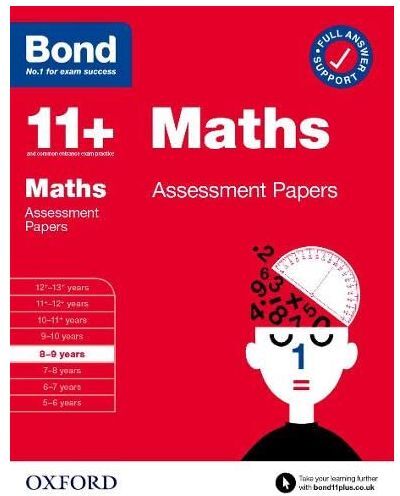
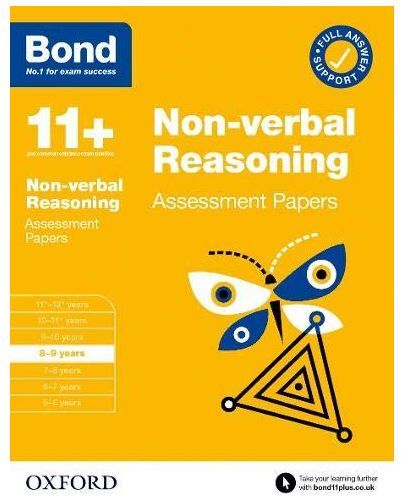
Similar search terms for Bond-11-Assessment-Papers
Top-Angebote
Products related to Bond-11-Assessment-Papers:
-
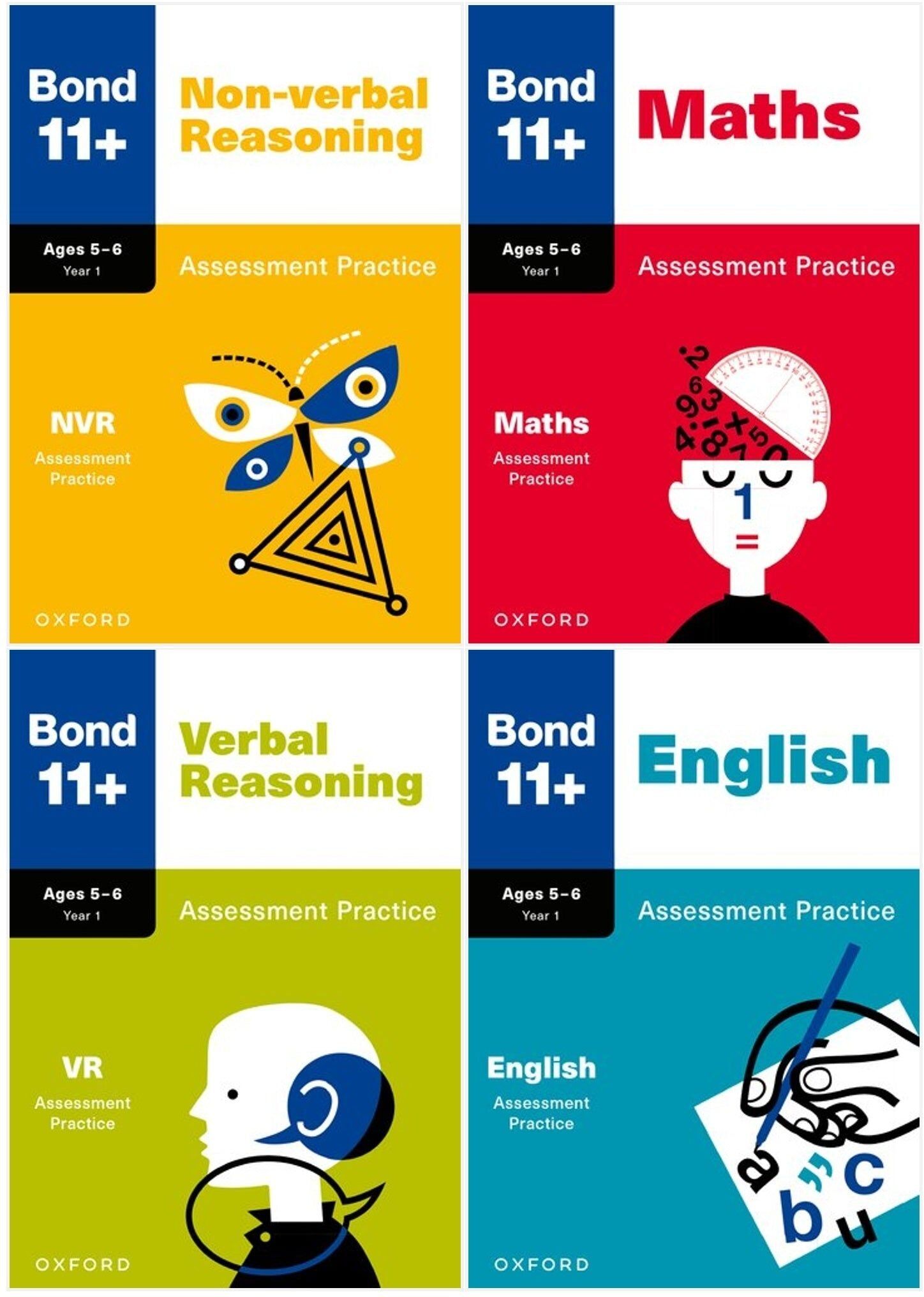
OXFORD UNIVERSITY PRESS Bond 11+ Maths English Verbal Non-Verbal Reasoning Assessment Practice 5-6 years 4 Books Set (Bond Assessment Papers)Bond 11+ English; Maths; Non-verbal Reasoning; Verbal Reasoning Assessment Practice 4 Books Set (Age 5-6) The pack includes the following 4 books (Bond 11 Plus books) Bond 11+ Maths Assessment Practice Ages 5-6 Bond Maths Assessment Practice for 5-6 years are topic-based practice questions that set the foundation for success in SATs; common entrance or 11+ exams. They have been written to cover the core National Curriculum skills and cover the question types used in 11+ exams; building the skills and confidence for exam success. Bond 11+ English Assessment Practice Ages 5-6 Bond English Assessment Practice for 5-6 years are topic-based practice questions that set the foundation for success in SATs; common entrance or 11+ exams. They have been written to cover the core National Curriculum skills and cover the question types used in 11+ exams; building the skills and confidence for exam success Bond 11+ Verbal Reasoning Assessment Practice Ages 5-6 Bond Verbal Reasoning Assessment Practice for 5-6 years introduces children to verbal reasoning problem-solving skills; encouraging thinking skills and providing early preparation for Common Entrance and 11+ exams. Bond 11+ Non-Verbal Reasoning Assessment Practice Ages 5-6 Bond Non-verbal Reasoning Assessment Practice for 5-6 years introduces children to non-verbal reasoning problem-solving skills; encouraging thinking skills and providing early preparation for Common Entrance and 11+ exams.14,40 £*Shipping: 2,99 £Secure redirect to the provider
-
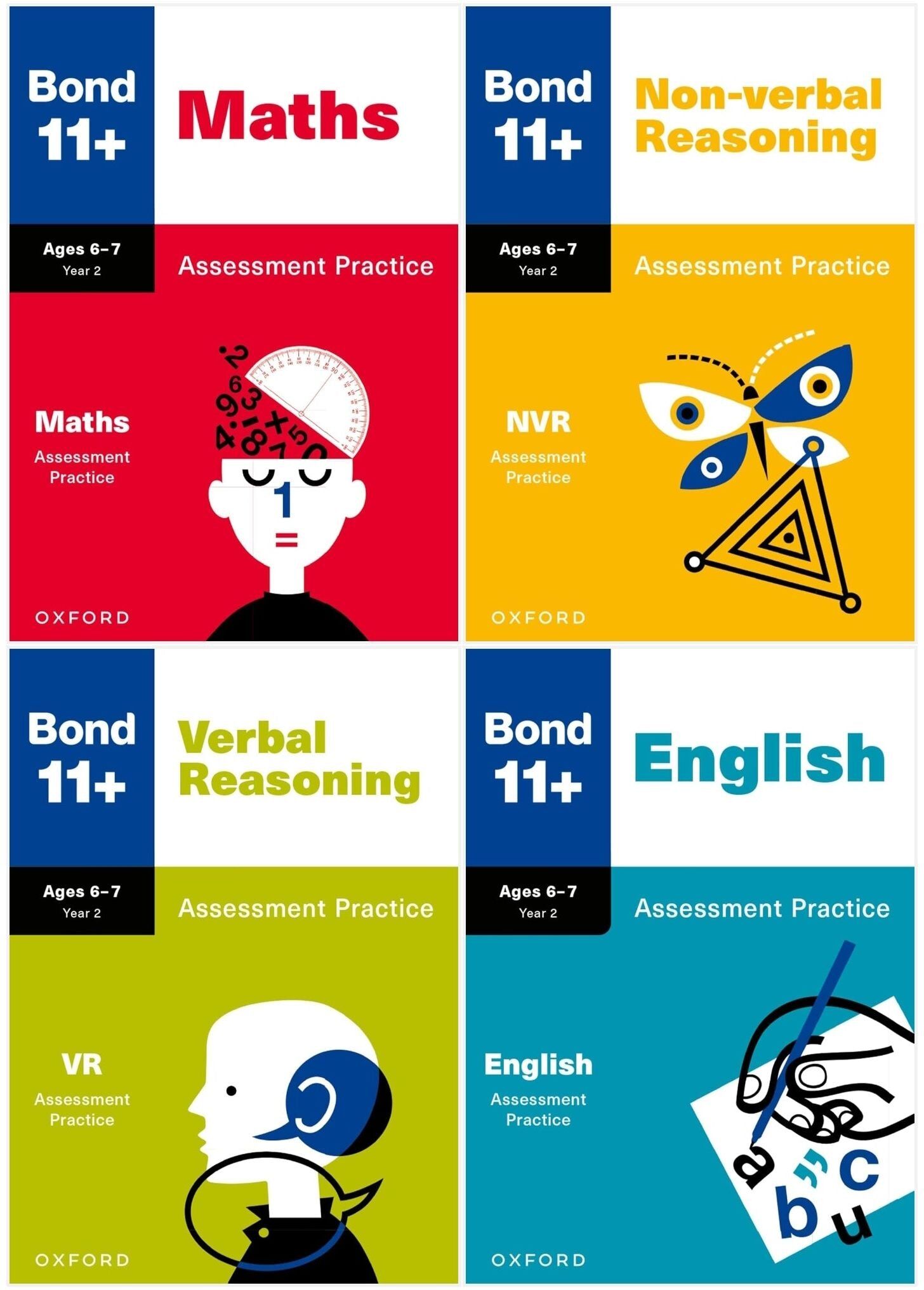
OXFORD UNIVERSITY PRESS Bond 11+ Maths English Verbal Non-Verbal Reasoning Assessment Practice 6-7 years 4 Books Set (Bond Assessment Papers)Bond 11+ Maths English Verbal Non-Verbal Reasoning Assessment Practice 6-7 years 4 Books Set (Bond Assessment Papers) Year 2 Developed and written by experienced tutors, Bond 11+ Assessment Practice Books offer exam-style practice questions, perfect for preparing for the GL 11+ exam and other selective school tests, with full answer explanations in a removable booklet. Bond 11+ English Assessment Practice Age 6-7: Covers all of the core 11+ English exam topics including comprehension, spelling, sentences, punctuation, and grammar Bond 11+ Maths Assessment Practice Age 6-7: Covers a wide variety of maths topics including place value, multiplication and division, fractions, shapes, measurement, and diagrams Bond 11+ Non-verbal Reasoning Assessment Practice Age 6-7: Covers a wide variety of non-verbal reasoning topics including shapes, angles and rotation, similarities, sequences, reflections, and grids Bond 11+ Verbal Reasoning Assessment Practice Age 6-7: Covers a wide variety of verbal reasoning topics including word meanings, word connections, missing letters, patterns and sequences, anagrams, and codes15,99 £*Shipping: 2,99 £Secure redirect to the provider
-
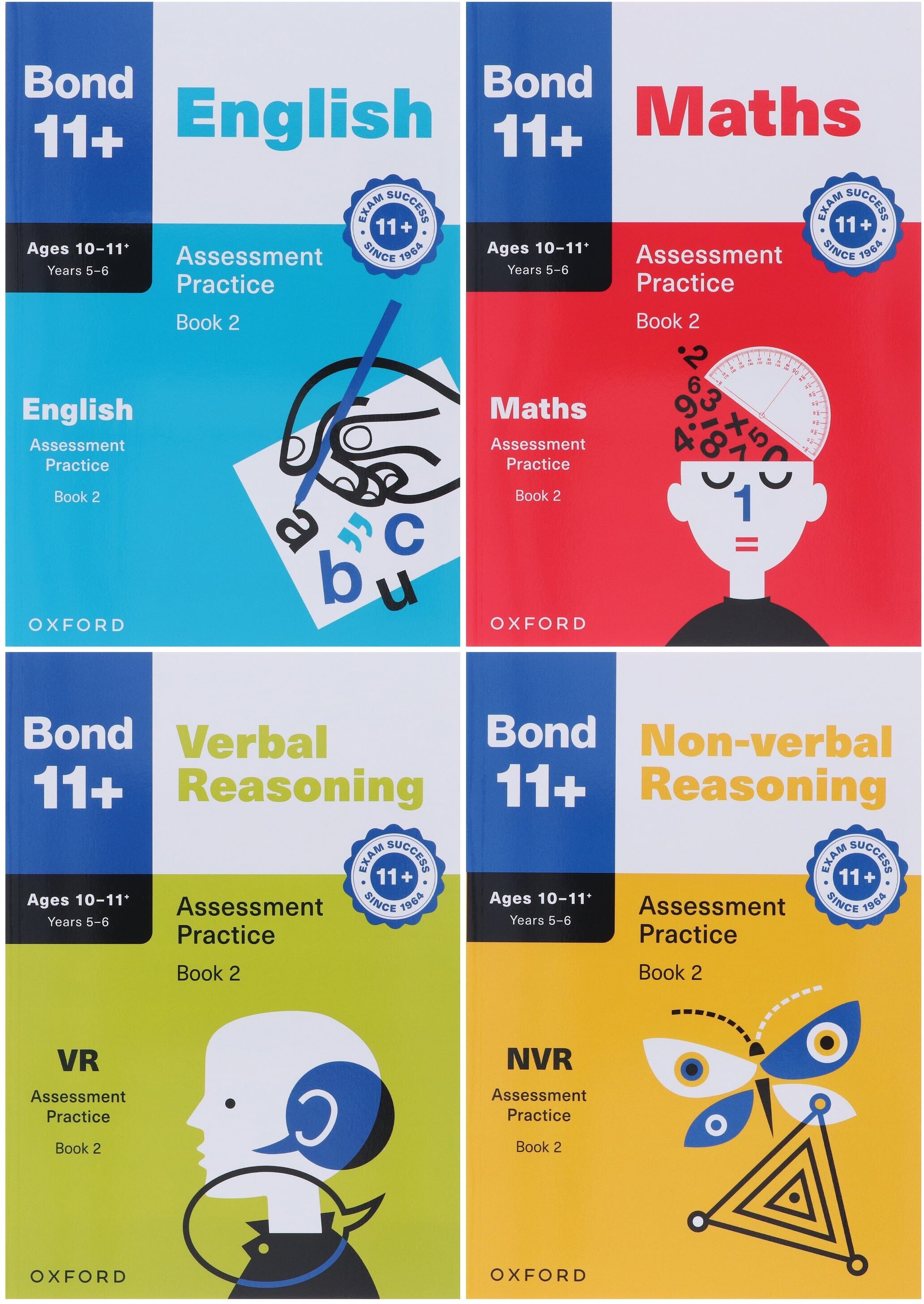
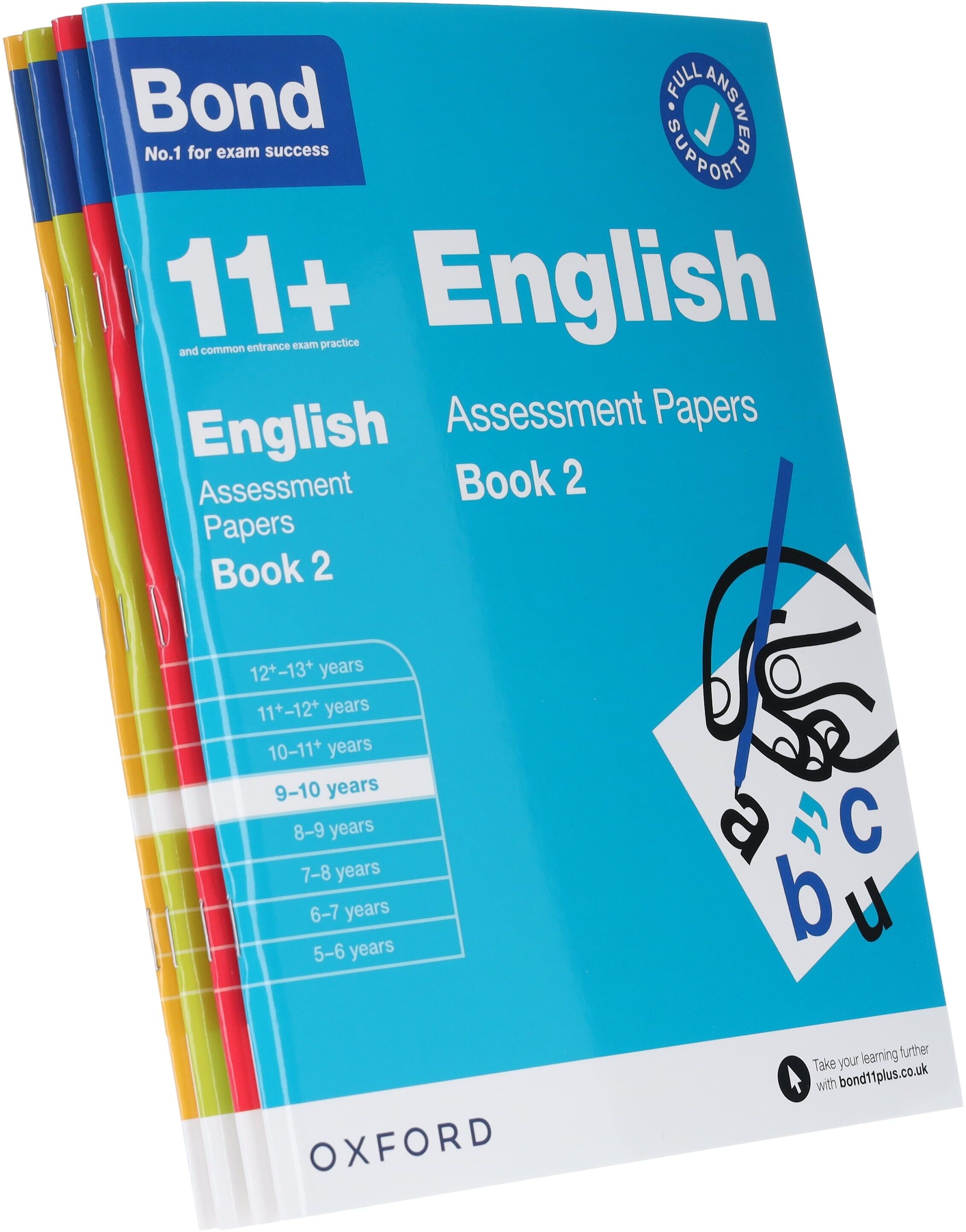
OXFORD UNIVERSITY PRESS Bond 11+ Maths, English 4 Books Set Assessment Papers (Book 2) (Age 9-10)Bond 11+ Maths; English; Non-verbal Reasoning; Verbal Reasoning Assessment Papers 4 Books Set (Book 2)(Age 9-10) This Pack Of 4 Books Contain: Maths Assessment Papers Book 2 Bond maths Assessment papers are topic-based practice questions for the 11+ exam. They have been written to cover the core 11+ question types your child will experience in their actual exam; building the skills and confidence for exam success. English Assessment Papers Book 2 Bond English Assessment Papers for 9-10 years Book 2 are topic-based practice questions for the 11+ exam. They have been written to cover the core 11+ question types your child will experience in their actual exam; building the skills and confidence for exam success. Verbal reasoning Assessment Papers Book 2 Bond Verbal Reasoning Assessment Papers for 9-10 years Book 2 develops verbal reasoning problem-solving skills; encouraging thinking skills and providing preparation for Common Entrance and 11+ exams. Non-Verbal Reasoning Assessment Papers Book 2 Bond Non-verbal Reasoning Assessment Papers for 9-10 years Book 2 develops non-verbal reasoning problem-solving skills; encouraging thinking skills and providing preparation for Common Entrance and 11+ exams.15,99 £*Shipping: 2,99 £Secure redirect to the provider
-
Bond 11+ Assessment Practice Papers for Year 5-6 (Book 2) 4 Books Set - Ages 10-11+ - Paperback OUP OxfordBoost 11+ skills with even more practice in Assessment Practice Book 2! Building on the comprehensive guidance of Age 10-11+, the Assessment Practice Book 2s are packed with hundreds of additional practice questions that consolidate skills and build confidence for the 11+ exams. Developed and written by experienced tutors , these books are perfect for preparing for the GL Assessment and other admissions tests including the Kent Test. Each subject-specific book contains at least: • 8 Topic Papers for targeted practice of all the key 11+ skills your child needs • 4 Mixed Papers which combine questions on different topics to consolidate skills • 2 full Test Papers , offering realistic exam-style practice Key features include: • Suitable for ages 10-11+ and children in Years 5-6 • Covers all of the key 11+ topics across English, maths, verbal reasoning, and non-verbal reasoning • Full answer explanations in a removable booklet support greater understanding • Supports skill development and progression , building all-important exam confidence • Curveball questions help children adapt to unusual question types • Guidance for parents on how to get the most out of the books, and general advice on preparing for the exam Titles in this Set: 1. English Assessment Practice 2. Maths Assessment Practice 3. Verbal Reasoning Assessment Practice 4. Non-Verbal Reasoning Assessment Practice17,99 £*Shipping: 2,99 £Secure redirect to the provider


-
What is a hardship health and care assessment?
A hardship health and care assessment is a process where an individual's health and care needs are evaluated to determine the level of support required. This assessment is typically conducted by social services or healthcare professionals to identify any challenges or difficulties the individual may be facing in managing their health and care needs. The assessment aims to ensure that the individual receives the appropriate level of support and services to help them maintain their well-being and quality of life despite any hardships they may be experiencing. **
-
How much do 25er papers or moped papers cost?
The cost of 25er papers or moped papers can vary depending on the country and specific requirements. In general, the cost can range from around $20 to $50. It's important to check with the local authorities or licensing agency to get the most accurate and up-to-date information on the cost of these papers. **
-
What are the differences between an ionic bond, a metallic bond, and a covalent bond?
Ionic bonds involve the transfer of electrons from one atom to another, resulting in the attraction between oppositely charged ions. Metallic bonds involve the sharing of electrons among a sea of delocalized electrons, creating a strong bond between metal atoms. Covalent bonds involve the sharing of electrons between atoms to achieve a stable electron configuration. Each type of bond has different properties and strengths based on the way electrons are shared or transferred between atoms. **
-
What are the differences between a single bond, a double bond, and a triple bond?
A single bond involves the sharing of one pair of electrons between two atoms, while a double bond involves the sharing of two pairs of electrons. A triple bond involves the sharing of three pairs of electrons between two atoms. As the number of shared electron pairs increases, the bond becomes stronger and shorter. Additionally, double and triple bonds are typically found in molecules with carbon atoms, while single bonds are more common in organic compounds. **
What are the differences between a glycosidic bond, a peptide bond, and an ester bond?
Glycosidic bonds are formed between a sugar molecule and another molecule, such as another sugar or a non-carbohydrate compound. Peptide bonds are specific types of covalent bonds that link amino acids together in proteins. Ester bonds are formed between a carboxylic acid and an alcohol, resulting in the formation of an ester. Each of these bonds plays a crucial role in the structure and function of biological molecules, with glycosidic bonds being important in carbohydrates, peptide bonds in proteins, and ester bonds in lipids. **
Are there 50 papers available, but 45 papers are needed?
No, there are not enough papers available. If only 45 papers are needed but there are only 50 papers available, then there are exactly enough papers to meet the requirement. **
Top-Angebote
Products related to Bond-11-Assessment-Papers:
-
OXFORD UNIVERSITY PRESS Bond 11+ Maths English Verbal Non-Verbal Reasoning Assessment Practice 5-6 years 4 Books Set (Bond Assessment Papers)Bond 11+ English; Maths; Non-verbal Reasoning; Verbal Reasoning Assessment Practice 4 Books Set (Age 5-6) The pack includes the following 4 books (Bond 11 Plus books) Bond 11+ Maths Assessment Practice Ages 5-6 Bond Maths Assessment Practice for 5-6 years are topic-based practice questions that set the foundation for success in SATs; common entrance or 11+ exams. They have been written to cover the core National Curriculum skills and cover the question types used in 11+ exams; building the skills and confidence for exam success. Bond 11+ English Assessment Practice Ages 5-6 Bond English Assessment Practice for 5-6 years are topic-based practice questions that set the foundation for success in SATs; common entrance or 11+ exams. They have been written to cover the core National Curriculum skills and cover the question types used in 11+ exams; building the skills and confidence for exam success Bond 11+ Verbal Reasoning Assessment Practice Ages 5-6 Bond Verbal Reasoning Assessment Practice for 5-6 years introduces children to verbal reasoning problem-solving skills; encouraging thinking skills and providing early preparation for Common Entrance and 11+ exams. Bond 11+ Non-Verbal Reasoning Assessment Practice Ages 5-6 Bond Non-verbal Reasoning Assessment Practice for 5-6 years introduces children to non-verbal reasoning problem-solving skills; encouraging thinking skills and providing early preparation for Common Entrance and 11+ exams.14,40 £*Shipping: 2,99 £Secure redirect to the provider
-
OXFORD UNIVERSITY PRESS Bond 11+ Maths English Verbal Non-Verbal Reasoning Assessment Practice 6-7 years 4 Books Set (Bond Assessment Papers)Bond 11+ Maths English Verbal Non-Verbal Reasoning Assessment Practice 6-7 years 4 Books Set (Bond Assessment Papers) Year 2 Developed and written by experienced tutors, Bond 11+ Assessment Practice Books offer exam-style practice questions, perfect for preparing for the GL 11+ exam and other selective school tests, with full answer explanations in a removable booklet. Bond 11+ English Assessment Practice Age 6-7: Covers all of the core 11+ English exam topics including comprehension, spelling, sentences, punctuation, and grammar Bond 11+ Maths Assessment Practice Age 6-7: Covers a wide variety of maths topics including place value, multiplication and division, fractions, shapes, measurement, and diagrams Bond 11+ Non-verbal Reasoning Assessment Practice Age 6-7: Covers a wide variety of non-verbal reasoning topics including shapes, angles and rotation, similarities, sequences, reflections, and grids Bond 11+ Verbal Reasoning Assessment Practice Age 6-7: Covers a wide variety of verbal reasoning topics including word meanings, word connections, missing letters, patterns and sequences, anagrams, and codes15,99 £*Shipping: 2,99 £Secure redirect to the provider
-
How do you draw trehalose in a 2-11 glycosidic bond?
To draw trehalose in a 2-11 glycosidic bond, you would first draw two glucose molecules connected by an alpha-1,1 glycosidic bond. Then, you would add another glucose molecule to the first glucose molecule in the 2 position, forming a 1,2 glycosidic bond. Finally, you would add the last glucose molecule to the second glucose molecule in the 1 position, forming a 2,1 glycosidic bond. This structure represents trehalose in a 2-11 glycosidic bond. **
-
How long does the therapy assessment process take?
The therapy assessment process can vary in length depending on the individual and the specific circumstances. Typically, the assessment process can take anywhere from one to three sessions, each lasting around 60-90 minutes. However, in some cases, it may take longer if there are complex issues to explore or if the therapist needs to gather more information before making a treatment plan. It's important to remember that the assessment process is crucial for the therapist to gain a thorough understanding of the client's needs and to develop an effective treatment plan. **
-
What is a hardship health and care assessment?
A hardship health and care assessment is a process where an individual's health and care needs are evaluated to determine the level of support required. This assessment is typically conducted by social services or healthcare professionals to identify any challenges or difficulties the individual may be facing in managing their health and care needs. The assessment aims to ensure that the individual receives the appropriate level of support and services to help them maintain their well-being and quality of life despite any hardships they may be experiencing. **
-
How much do 25er papers or moped papers cost?
The cost of 25er papers or moped papers can vary depending on the country and specific requirements. In general, the cost can range from around $20 to $50. It's important to check with the local authorities or licensing agency to get the most accurate and up-to-date information on the cost of these papers. **
Similar search terms for Bond-11-Assessment-Papers
-
OXFORD UNIVERSITY PRESS Bond 11+ Maths, English 4 Books Set Assessment Papers (Book 2) (Age 9-10)Bond 11+ Maths; English; Non-verbal Reasoning; Verbal Reasoning Assessment Papers 4 Books Set (Book 2)(Age 9-10) This Pack Of 4 Books Contain: Maths Assessment Papers Book 2 Bond maths Assessment papers are topic-based practice questions for the 11+ exam. They have been written to cover the core 11+ question types your child will experience in their actual exam; building the skills and confidence for exam success. English Assessment Papers Book 2 Bond English Assessment Papers for 9-10 years Book 2 are topic-based practice questions for the 11+ exam. They have been written to cover the core 11+ question types your child will experience in their actual exam; building the skills and confidence for exam success. Verbal reasoning Assessment Papers Book 2 Bond Verbal Reasoning Assessment Papers for 9-10 years Book 2 develops verbal reasoning problem-solving skills; encouraging thinking skills and providing preparation for Common Entrance and 11+ exams. Non-Verbal Reasoning Assessment Papers Book 2 Bond Non-verbal Reasoning Assessment Papers for 9-10 years Book 2 develops non-verbal reasoning problem-solving skills; encouraging thinking skills and providing preparation for Common Entrance and 11+ exams.15,99 £*Shipping: 2,99 £Secure redirect to the provider
-
Bond 11+ Assessment Practice Papers for Year 5-6 (Book 2) 4 Books Set - Ages 10-11+ - Paperback OUP OxfordBoost 11+ skills with even more practice in Assessment Practice Book 2! Building on the comprehensive guidance of Age 10-11+, the Assessment Practice Book 2s are packed with hundreds of additional practice questions that consolidate skills and build confidence for the 11+ exams. Developed and written by experienced tutors , these books are perfect for preparing for the GL Assessment and other admissions tests including the Kent Test. Each subject-specific book contains at least: • 8 Topic Papers for targeted practice of all the key 11+ skills your child needs • 4 Mixed Papers which combine questions on different topics to consolidate skills • 2 full Test Papers , offering realistic exam-style practice Key features include: • Suitable for ages 10-11+ and children in Years 5-6 • Covers all of the key 11+ topics across English, maths, verbal reasoning, and non-verbal reasoning • Full answer explanations in a removable booklet support greater understanding • Supports skill development and progression , building all-important exam confidence • Curveball questions help children adapt to unusual question types • Guidance for parents on how to get the most out of the books, and general advice on preparing for the exam Titles in this Set: 1. English Assessment Practice 2. Maths Assessment Practice 3. Verbal Reasoning Assessment Practice 4. Non-Verbal Reasoning Assessment Practice17,99 £*Shipping: 2,99 £Secure redirect to the provider
-
Bond 11+ Assessment Papers Book 2 (9-10 Years) 4 Books Collection by Oxford - Paperback Oxford University PressDescription: Everything you need to help your child succeed at the GL 11+ exam and common entrance exam. Bond Assessment Papers for 9-10 years cover the core 11+ question types your child will experience in their actual exams, in the four key 11+ subjects of English, Maths, Verbal Reasoning and Non-verbal Reasoning. Each book in this pack includes: - graded practice papers to build and extend key skills - practical tips from expert authors - a next steps planner - a visual progress chart for measuring success - a pull-out answer section in the centre of the book - full answer support to empower parents and children with a greater understanding of the questions. Titles In This Set: 1. English Assessment Papers Book 2 2. Maths Assessment Papers Book 2 3. Verbal Reasoning Assessment Papers Book 2 4. Non-verbal Reasoning Assessment Papers Book 2 Bond 11+: Maths Assessment Papers: 9-10 years Book 2 Bond is the number 1 provider of 11+ practice, helping millions of children pass selective entrance exams. Bond Maths Assessment Papers for 9-10 years Book 2 are topic-based practice questions for the 11+ exam. They have been written to cover the core 11+ question types your child will experience in their actual exam, building the skills and confidence for exam success. Bond 11+: English Assessment Papers: 9-10 years Book 2 Bond is the number 1 provider of 11+ practice, helping millions of children pass selective entrance exams. Bond English Assessment Papers for 9-10 years Book 2 are topic-based practice questions for the 11+ exam. They have been written to cover the core 11+ question types your child will experience in their actual exam, building the skills and confidence for exam success. Bond 11+: Verbal Reasoning Assessment Papers: 9-10 years Book 2 Bond is the number 1 provider of 11+ practice, helping millions of children pass selective entrance exams. Bond Verbal Reasoning Assessment Papers for 9-10 years Book 2 develops verbal reasoning problem-solving skills, encouraging thinking skills and providing preparation for Common Entrance and 11+ exams. Bond 11+: Non-verbal Reasoning Assessment Papers: 9-10 years Book 2 Bond is the number 1 provider of 11+ practice, helping millions of children pass selective entrance exams. Bond Non-verbal Reasoning Assessment Papers for 9-10 years Book 2 develops non-verbal reasoning problem-solving skills, encouraging thinking skills and providing preparation for Common Entrance and 11+ exams.12,99 £*Shipping: 2,99 £Secure redirect to the provider
-
OXFORD UNIVERSITY PRESS Bond 11+ Maths English Verbal Reasoning Non-verbal Reasoning Assessment Papers 4 Books Set - Age 6-7Bond 11+ Maths English Verbal Non-Verbal Reasoning Assessment Practice 6-7 years 4 Books Set (Bond Assessment Papers) Developed and written by experienced tutors, Bond 11+ Assessment Practice Books offer exam-style practice questions, perfect for preparing for the GL 11+ exam and other selective school tests, with full answer explanations in a removable booklet. Bond 11+ English Assessment Practice Age 6-7: Covers all of the core 11+ English exam topics including comprehension, spelling, sentences, punctuation, and grammar Bond 11+ Maths Assessment Practice Age 6-7: Covers a wide variety of maths topics including place value, multiplication and division, fractions, shapes, measurement, and diagrams Bond 11+ Non-verbal Reasoning Assessment Practice Age 6-7: Covers a wide variety of non-verbal reasoning topics including shapes, angles and rotation, similarities, sequences, reflections, and grids Bond 11+ Verbal Reasoning Assessment Practice Age 6-7: Covers a wide variety of verbal reasoning topics including word meanings, word connections, missing letters, patterns and sequences, anagrams, and codes16,99 £*Shipping: 2,99 £Secure redirect to the provider
-
What are the differences between an ionic bond, a metallic bond, and a covalent bond?
Ionic bonds involve the transfer of electrons from one atom to another, resulting in the attraction between oppositely charged ions. Metallic bonds involve the sharing of electrons among a sea of delocalized electrons, creating a strong bond between metal atoms. Covalent bonds involve the sharing of electrons between atoms to achieve a stable electron configuration. Each type of bond has different properties and strengths based on the way electrons are shared or transferred between atoms. **
-
What are the differences between a single bond, a double bond, and a triple bond?
A single bond involves the sharing of one pair of electrons between two atoms, while a double bond involves the sharing of two pairs of electrons. A triple bond involves the sharing of three pairs of electrons between two atoms. As the number of shared electron pairs increases, the bond becomes stronger and shorter. Additionally, double and triple bonds are typically found in molecules with carbon atoms, while single bonds are more common in organic compounds. **
-
What are the differences between a glycosidic bond, a peptide bond, and an ester bond?
Glycosidic bonds are formed between a sugar molecule and another molecule, such as another sugar or a non-carbohydrate compound. Peptide bonds are specific types of covalent bonds that link amino acids together in proteins. Ester bonds are formed between a carboxylic acid and an alcohol, resulting in the formation of an ester. Each of these bonds plays a crucial role in the structure and function of biological molecules, with glycosidic bonds being important in carbohydrates, peptide bonds in proteins, and ester bonds in lipids. **
-
Are there 50 papers available, but 45 papers are needed?
No, there are not enough papers available. If only 45 papers are needed but there are only 50 papers available, then there are exactly enough papers to meet the requirement. **
* All prices are inclusive of VAT and, if applicable, plus shipping costs. The offer information is based on the details provided by the respective shop and is updated through automated processes. Real-time updates do not occur, so deviations can occur in individual cases. ** Note: Parts of this content were created by AI.