Buy saunameister.eu ?
We are moving the project
saunameister.eu .
Are you interested in purchasing the domain
saunameister.eu ?
domain@kv-gmbh.de · 0541-91531010
Buy saunameister.eu ?
What is stem cell therapy?
Stem cell therapy is a type of treatment that uses stem cells to repair, replace, or regenerate damaged cells or tissues in the body. Stem cells have the unique ability to develop into different types of cells, such as muscle cells, nerve cells, or blood cells. This therapy has the potential to treat a wide range of medical conditions, including injuries, degenerative diseases, and genetic disorders. Stem cell therapy can be derived from various sources, such as bone marrow, adipose tissue, or embryonic cells. **
What are the differences between embryonic stem cells, omnipotent stem cells, adult stem cells, totipotent stem cells, and multipotent stem cells?
Embryonic stem cells are derived from embryos and have the potential to develop into any type of cell in the body. Omnipotent stem cells, also known as pluripotent stem cells, are similar to embryonic stem cells in that they can differentiate into any type of cell, but they are derived from adult tissues. Adult stem cells are found in various tissues and have the ability to differentiate into a limited range of cell types. Totipotent stem cells have the highest potential for differentiation and can develop into any type of cell, as well as into extraembryonic tissues such as the placenta. Multipotent stem cells can differentiate into a limited number of cell types, typically within a specific tissue or organ. **

Similar search terms for BIDKhome-Talami-On-Stem
Top-Angebote
Products related to BIDKhome-Talami-On-Stem:



-
Which plant has spots on the stem?
The plant with spots on the stem is the pothos plant. Pothos plants have distinctive white or yellow spots on their stems, which add to their aesthetic appeal. These spots are a natural characteristic of the plant and are not a sign of disease or damage. Pothos plants are popular for their low maintenance and ability to thrive in various indoor conditions. **
-
How many roses are on one stem?
Typically, there is only one rose on one stem. However, some varieties of roses can have multiple blooms on one stem, but this is less common. The most common arrangement is one stem with one rose. **
-
What are the experiences with stem cell therapy for spasticity?
Stem cell therapy for spasticity has shown promising results in some studies and clinical trials. Patients with conditions such as cerebral palsy, multiple sclerosis, and spinal cord injury have reported improvements in muscle tone, mobility, and overall quality of life after receiving stem cell therapy. However, more research is needed to fully understand the long-term effects and potential risks of this treatment. Some patients may not experience significant improvements, and the therapy may not be suitable for everyone. Overall, while there is potential for stem cell therapy to effectively manage spasticity, more evidence is needed to determine its overall efficacy and safety. **
-
What is the difference between high-stem and low-stem gardens?
High-stem gardens are characterized by tall, upright plants that are typically spaced further apart, allowing for more airflow and sunlight penetration. These gardens often feature larger, more prominent plants that can create a sense of privacy and enclosure. On the other hand, low-stem gardens are characterized by shorter, more compact plants that are densely planted, creating a lush and full appearance. These gardens are often used to create a sense of intimacy and coziness, and they can be particularly effective in small spaces or as borders and edging. **


Is the stem edible?
Yes, the stem of a mushroom is edible. However, the texture and flavor of the stem can vary depending on the type of mushroom. Some mushroom stems may be tough and woody, while others may be tender and flavorful. It's important to consider the specific variety of mushroom and how it is being prepared before deciding whether to eat the stem. **
Could stem cell research...
Stem cell research has the potential to revolutionize medicine by providing new treatments for a wide range of diseases and injuries. It could lead to the development of regenerative therapies that could repair or replace damaged tissues and organs, offering hope to patients with conditions that are currently untreatable. Additionally, stem cell research could also provide valuable insights into the underlying causes of many diseases, leading to better understanding and improved treatments. However, ethical concerns and regulatory challenges must be carefully considered to ensure that the research is conducted responsibly and ethically. **
Top-Angebote
Products related to BIDKhome-Talami-On-Stem:
-
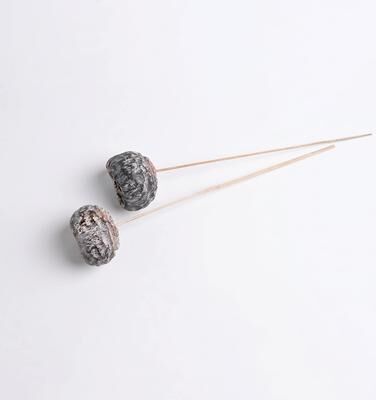
BIDKhome Talami On Stem 20Pc TrayThese dried flowers adds a natural, rustic charm to any room. Long-lasting and low-maintenance, these arrangements bring beauty without the upkeep of fresh blooms. They work well in vases, wreaths, or even wall hangings.40,90 $*Shipping: 0,00 $Secure redirect to the provider
-
BIDKhome Vase CamilaThis elegant vase features a sleek, contemporary design with a smooth, glossy finish that catches the light beautifully. Its subtle, tapered silhouette adds a touch of sophistication to any room, making it a versatile piece for various decor styles.185,70 $*Shipping: 0,00 $Secure redirect to the provider
-
What is stem cell therapy?
Stem cell therapy is a type of treatment that uses stem cells to repair, replace, or regenerate damaged cells or tissues in the body. Stem cells have the unique ability to develop into different types of cells, such as muscle cells, nerve cells, or blood cells. This therapy has the potential to treat a wide range of medical conditions, including injuries, degenerative diseases, and genetic disorders. Stem cell therapy can be derived from various sources, such as bone marrow, adipose tissue, or embryonic cells. **
-
What are the differences between embryonic stem cells, omnipotent stem cells, adult stem cells, totipotent stem cells, and multipotent stem cells?
Embryonic stem cells are derived from embryos and have the potential to develop into any type of cell in the body. Omnipotent stem cells, also known as pluripotent stem cells, are similar to embryonic stem cells in that they can differentiate into any type of cell, but they are derived from adult tissues. Adult stem cells are found in various tissues and have the ability to differentiate into a limited range of cell types. Totipotent stem cells have the highest potential for differentiation and can develop into any type of cell, as well as into extraembryonic tissues such as the placenta. Multipotent stem cells can differentiate into a limited number of cell types, typically within a specific tissue or organ. **
-
Which plant has spots on the stem?
The plant with spots on the stem is the pothos plant. Pothos plants have distinctive white or yellow spots on their stems, which add to their aesthetic appeal. These spots are a natural characteristic of the plant and are not a sign of disease or damage. Pothos plants are popular for their low maintenance and ability to thrive in various indoor conditions. **
-
How many roses are on one stem?
Typically, there is only one rose on one stem. However, some varieties of roses can have multiple blooms on one stem, but this is less common. The most common arrangement is one stem with one rose. **
Similar search terms for BIDKhome-Talami-On-Stem
-
BIDKhome Lily On Stem 30pc TrayThese dried flowers adds a natural, rustic charm to any room. Long-lasting and low-maintenance, these arrangements bring beauty without the upkeep of fresh blooms. They work well in vases, wreaths, or even wall hangings.27,10 $*Shipping: 0,00 $Secure redirect to the provider
-
BIDKhome Mehogany On Stem 40pc TrayThese dried flowers adds a natural, rustic charm to any room. Long-lasting and low-maintenance, these arrangements bring beauty without the upkeep of fresh blooms. They work well in vases, wreaths, or even wall hangings.24,90 $*Shipping: 0,00 $Secure redirect to the provider
-
What are the experiences with stem cell therapy for spasticity?
Stem cell therapy for spasticity has shown promising results in some studies and clinical trials. Patients with conditions such as cerebral palsy, multiple sclerosis, and spinal cord injury have reported improvements in muscle tone, mobility, and overall quality of life after receiving stem cell therapy. However, more research is needed to fully understand the long-term effects and potential risks of this treatment. Some patients may not experience significant improvements, and the therapy may not be suitable for everyone. Overall, while there is potential for stem cell therapy to effectively manage spasticity, more evidence is needed to determine its overall efficacy and safety. **
-
What is the difference between high-stem and low-stem gardens?
High-stem gardens are characterized by tall, upright plants that are typically spaced further apart, allowing for more airflow and sunlight penetration. These gardens often feature larger, more prominent plants that can create a sense of privacy and enclosure. On the other hand, low-stem gardens are characterized by shorter, more compact plants that are densely planted, creating a lush and full appearance. These gardens are often used to create a sense of intimacy and coziness, and they can be particularly effective in small spaces or as borders and edging. **
-
Is the stem edible?
Yes, the stem of a mushroom is edible. However, the texture and flavor of the stem can vary depending on the type of mushroom. Some mushroom stems may be tough and woody, while others may be tender and flavorful. It's important to consider the specific variety of mushroom and how it is being prepared before deciding whether to eat the stem. **
-
Could stem cell research...
Stem cell research has the potential to revolutionize medicine by providing new treatments for a wide range of diseases and injuries. It could lead to the development of regenerative therapies that could repair or replace damaged tissues and organs, offering hope to patients with conditions that are currently untreatable. Additionally, stem cell research could also provide valuable insights into the underlying causes of many diseases, leading to better understanding and improved treatments. However, ethical concerns and regulatory challenges must be carefully considered to ensure that the research is conducted responsibly and ethically. **
* All prices are inclusive of VAT and, if applicable, plus shipping costs. The offer information is based on the details provided by the respective shop and is updated through automated processes. Real-time updates do not occur, so deviations can occur in individual cases. ** Note: Parts of this content were created by AI.