Buy saunameister.eu ?
We are moving the project
saunameister.eu .
Are you interested in purchasing the domain
saunameister.eu ?
domain@kv-gmbh.de · 0541-91531010
Buy saunameister.eu ?
Can one teach themselves shorthand Steno?
Yes, it is possible to teach oneself shorthand Steno. There are various resources available such as books, online tutorials, and practice exercises that can help individuals learn shorthand Steno on their own. It requires dedication, practice, and patience to become proficient in shorthand Steno, but with the right resources and commitment, it is definitely achievable to teach oneself this skill. **
Can you bathe with a silver plaster if you have a wound?
It is not recommended to bathe with a silver plaster if you have a wound. Silver plasters are typically designed to be water-resistant and can help protect the wound from infection. However, prolonged exposure to water can cause the plaster to lose its effectiveness and potentially lead to complications in wound healing. It is best to follow the instructions provided by your healthcare provider on how to care for your wound while using a silver plaster. **


Similar search terms for Advantage-Steno-Silver-Plaster
Top-Angebote
Products related to Advantage-Steno-Silver-Plaster:
-
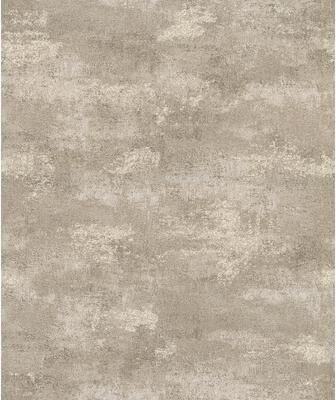
Advantage Steno Bone Texture WallpaperThis subtle, neutral textured wallpaper is elevated by light-catching accents. The bone-white hue is imbued with a plaster-like texture, subtle sheen, and a light dusting of glitter. Steno is an unpasted, vinyl on non woven wallpaper.66,99 $*Shipping: 0,00 $Secure redirect to the provider
-
Advantage Mansour Teal Plaster Texture Wallpaper - 21 x 396 x 0.025Complete with a mottled design and textured print, this wallpaper is made to resemble plaster. Its light teal pattern is accented by grey hues. Mansour is an unpasted, vinyl wallpaper.26,96 $*Shipping: 0,00 $Secure redirect to the provider



-
Which plaster on gypsum plaster?
The plaster used on gypsum plaster is typically a finishing plaster, such as a joint compound or a setting compound. These types of plasters are applied over the gypsum plaster to create a smooth and even surface for painting or other decorative finishes. **
-
How do you plaster on plaster?
To plaster on plaster, you first need to ensure that the existing plaster is clean and free of any loose debris. Next, apply a bonding agent to the existing plaster surface to help the new plaster adhere properly. Then, mix the new plaster according to the manufacturer's instructions and apply it evenly over the existing plaster using a trowel. Smooth out the surface and allow it to dry completely before finishing with a final coat if necessary. **
-
How do you plaster over plaster?
To plaster over existing plaster, you will first need to prepare the surface by cleaning it thoroughly and removing any loose or flaking plaster. Then, apply a bonding agent to the surface to help the new plaster adhere to the old plaster. Once the bonding agent has dried, you can apply a new layer of plaster over the existing plaster using a trowel, making sure to smooth and level the surface as you go. Allow the new plaster to dry completely before sanding and painting as needed. **
-
How do you plaster electrician's plaster?
To plaster an electrician's plaster, you will first need to prepare the surface by cleaning it and removing any debris. Then, mix the plaster according to the manufacturer's instructions and apply it to the surface using a trowel. Smooth the plaster out evenly and allow it to dry completely before sanding and painting if necessary. It's important to ensure that the plaster is applied evenly and smoothly to create a professional finish. **


What types of interior plaster are there, lime plaster or silicate plaster?
There are two main types of interior plaster: lime plaster and silicate plaster. Lime plaster is made from a mixture of sand, water, and lime and has been used for centuries due to its durability and breathability. Silicate plaster, on the other hand, is made from a mixture of sand, water, and potassium silicate and is known for its high resistance to moisture and mold. Both types of plaster have their own unique characteristics and benefits, so the choice between them depends on the specific needs of the project. **
Can you plaster plasterboard with fine plaster?
Yes, you can plaster plasterboard with fine plaster. Plasterboard is a common material used for interior walls and ceilings, and it is designed to be plastered over. Fine plaster, also known as finishing plaster, is a smooth and easy-to-work-with material that is commonly used for the final coat of plastering. It can be applied to plasterboard to create a smooth and even surface for painting or wallpapering. Just be sure to follow the manufacturer's instructions for mixing and applying the fine plaster for best results. **
Top-Angebote
Products related to Advantage-Steno-Silver-Plaster:
-
Advantage Steno Silver Plaster WallpaperThis chic wallpaper's cool silver hues are enhanced by subtle textural detailing. The plaster-like texture is also imbued with a subtle shimmer and delicate dusting of glitter. Steno is an unpasted, vinyl on non woven wallpaper.66,99 $*Shipping: 0,00 $Secure redirect to the provider
-
Advantage Steno Light Brown Plaster WallpaperAdd soft dimension to your walls with this textured wallpaper. This delicate, light brown design has the look and feel of plaster enhanced by subtle shimmer and glitter. Steno is an unpasted, vinyl on non woven wallpaper.57,61 $*Shipping: 0,00 $Secure redirect to the provider
-
Advantage Steno Bone Texture WallpaperThis subtle, neutral textured wallpaper is elevated by light-catching accents. The bone-white hue is imbued with a plaster-like texture, subtle sheen, and a light dusting of glitter. Steno is an unpasted, vinyl on non woven wallpaper.66,99 $*Shipping: 0,00 $Secure redirect to the provider
-
Can one teach themselves shorthand Steno?
Yes, it is possible to teach oneself shorthand Steno. There are various resources available such as books, online tutorials, and practice exercises that can help individuals learn shorthand Steno on their own. It requires dedication, practice, and patience to become proficient in shorthand Steno, but with the right resources and commitment, it is definitely achievable to teach oneself this skill. **
-
Can you bathe with a silver plaster if you have a wound?
It is not recommended to bathe with a silver plaster if you have a wound. Silver plasters are typically designed to be water-resistant and can help protect the wound from infection. However, prolonged exposure to water can cause the plaster to lose its effectiveness and potentially lead to complications in wound healing. It is best to follow the instructions provided by your healthcare provider on how to care for your wound while using a silver plaster. **
-
Which plaster on gypsum plaster?
The plaster used on gypsum plaster is typically a finishing plaster, such as a joint compound or a setting compound. These types of plasters are applied over the gypsum plaster to create a smooth and even surface for painting or other decorative finishes. **
-
How do you plaster on plaster?
To plaster on plaster, you first need to ensure that the existing plaster is clean and free of any loose debris. Next, apply a bonding agent to the existing plaster surface to help the new plaster adhere properly. Then, mix the new plaster according to the manufacturer's instructions and apply it evenly over the existing plaster using a trowel. Smooth out the surface and allow it to dry completely before finishing with a final coat if necessary. **
Similar search terms for Advantage-Steno-Silver-Plaster
-
Advantage Mansour Teal Plaster Texture Wallpaper - 21 x 396 x 0.025Complete with a mottled design and textured print, this wallpaper is made to resemble plaster. Its light teal pattern is accented by grey hues. Mansour is an unpasted, vinyl wallpaper.26,96 $*Shipping: 0,00 $Secure redirect to the provider
-
A-Street Prints Haliya Silver Metallic Plaster WallpaperElevate the timeless and textural appeals of plaster with a hint of shine! Several grey hues are layered together and finished with a final sponged layer of metallic silver. Haliya is an unpasted, non woven wallpaper.103,49 $*Shipping: 0,00 $Secure redirect to the provider
-
How do you plaster over plaster?
To plaster over existing plaster, you will first need to prepare the surface by cleaning it thoroughly and removing any loose or flaking plaster. Then, apply a bonding agent to the surface to help the new plaster adhere to the old plaster. Once the bonding agent has dried, you can apply a new layer of plaster over the existing plaster using a trowel, making sure to smooth and level the surface as you go. Allow the new plaster to dry completely before sanding and painting as needed. **
-
How do you plaster electrician's plaster?
To plaster an electrician's plaster, you will first need to prepare the surface by cleaning it and removing any debris. Then, mix the plaster according to the manufacturer's instructions and apply it to the surface using a trowel. Smooth the plaster out evenly and allow it to dry completely before sanding and painting if necessary. It's important to ensure that the plaster is applied evenly and smoothly to create a professional finish. **
-
What types of interior plaster are there, lime plaster or silicate plaster?
There are two main types of interior plaster: lime plaster and silicate plaster. Lime plaster is made from a mixture of sand, water, and lime and has been used for centuries due to its durability and breathability. Silicate plaster, on the other hand, is made from a mixture of sand, water, and potassium silicate and is known for its high resistance to moisture and mold. Both types of plaster have their own unique characteristics and benefits, so the choice between them depends on the specific needs of the project. **
-
Can you plaster plasterboard with fine plaster?
Yes, you can plaster plasterboard with fine plaster. Plasterboard is a common material used for interior walls and ceilings, and it is designed to be plastered over. Fine plaster, also known as finishing plaster, is a smooth and easy-to-work-with material that is commonly used for the final coat of plastering. It can be applied to plasterboard to create a smooth and even surface for painting or wallpapering. Just be sure to follow the manufacturer's instructions for mixing and applying the fine plaster for best results. **
* All prices are inclusive of VAT and, if applicable, plus shipping costs. The offer information is based on the details provided by the respective shop and is updated through automated processes. Real-time updates do not occur, so deviations can occur in individual cases. ** Note: Parts of this content were created by AI.