Buy saunameister.eu ?
We are moving the project
saunameister.eu .
Are you interested in purchasing the domain
saunameister.eu ?
domain@kv-gmbh.de · 0541-91531010
Buy saunameister.eu ?
What are the differences between covalent bonds, metallic bonds, and ionic bonds?
Covalent bonds are formed when two atoms share electrons, resulting in a strong bond between the atoms. Metallic bonds occur between metal atoms, where the electrons are delocalized and free to move throughout the structure, creating a strong bond. Ionic bonds are formed between a metal and a nonmetal, where one atom transfers electrons to the other, resulting in the formation of positively and negatively charged ions that are attracted to each other. Overall, covalent bonds involve electron sharing, metallic bonds involve electron delocalization, and ionic bonds involve electron transfer. **
Do CO bonds form with other CO bonds?
No, CO bonds do not typically form with other CO bonds. Carbon monoxide (CO) is a stable molecule with a triple bond between the carbon and oxygen atoms. This triple bond is strong and does not readily form additional bonds with other CO molecules. Instead, CO molecules tend to interact with other types of molecules through various types of chemical reactions. **


Similar search terms for Bonds
Top-Angebote
Products related to Bonds:
-
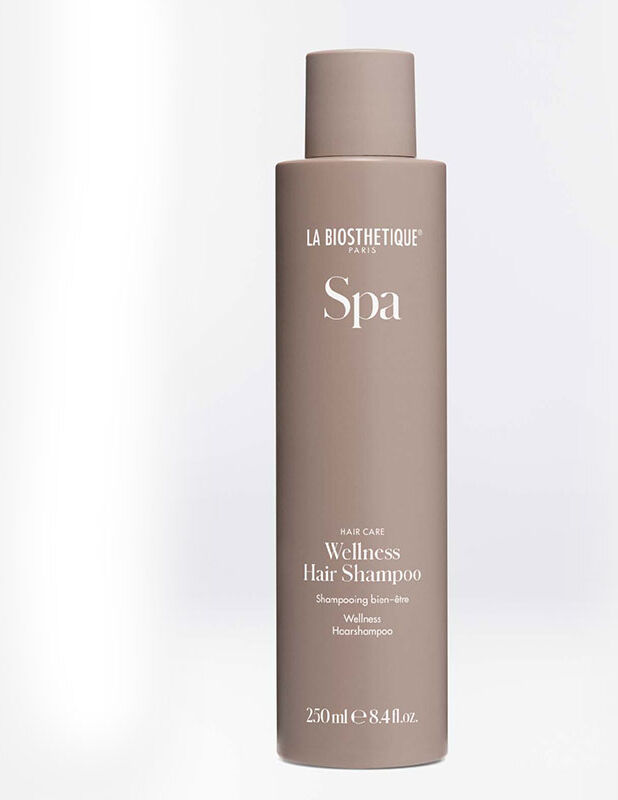
La Biosthetique SPA - Wellness Hair Shampoo 250mlWellness at its best for the hair and scalp! Cleanses the hair gently while respecting the healthy balance of the scalp. Sodium salts of lactic acid and gluconic acid, both components of the skin's natural moisturising factor, prevent the scalp from drying out. Plant based prebiotics such as inulin and glucan oligosaccharides maintain the balance of the scalp environment by specifically supporting the growth of health-promoting bacteria and are proven to reduce harmful bacteria. Undesired often inflammatory skin conditions heal faster and the scalps barrier function is strengthened. The scent composition with green lime, aromatic notes of basil, lemongrass and pink pepper and a sensuous, lingering combination of vanilla and woody cedar provides an ultimate feel good experience. Ingredients: AQUA (WATER), SODIUM LAURETH SULPHATE, COCAMIDOPROPYL BETAINE, PARFUM (FRAGRANCE), POLYGLYCERYL-3 OLEATE, SODIUM LACTATE, ALPHA-GLUCAN OLIGOSACCHARIDE, SODIUM GLUCONATE, LACTIC ACID, INULIN, BETAINE, METHYL GLUCOSE CAPRATE/CAPRYLATE/OLEATE, MARIS SAL (SEA SALT), ACETIC ACID, PROPANEDIOL, SODIUM BENZOATE, BENZOIC ACID, LIMONENE, COUMARIN, CITRAL23,50 £*Shipping: 2,95 £Secure redirect to the provider
-
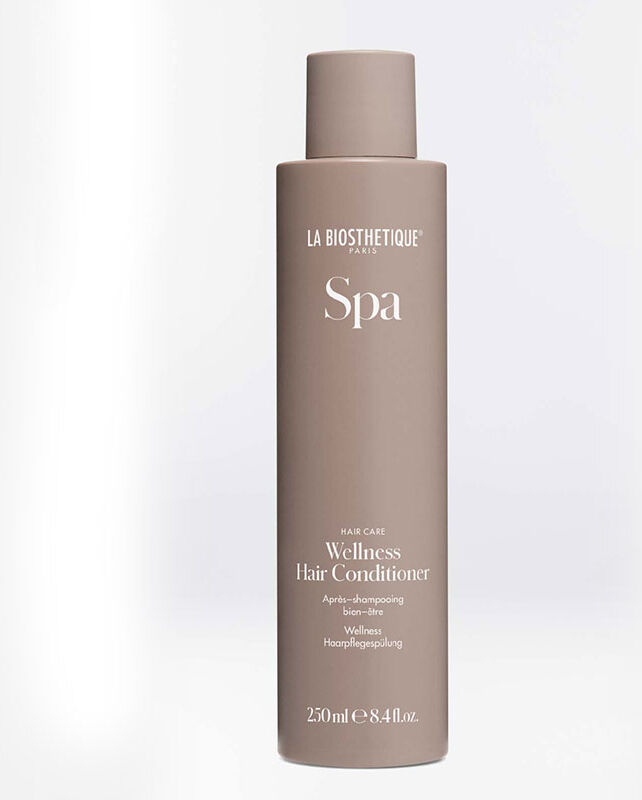
La Biosthetique SPA - Wellness Hair Conditioner 250mlIs your hair stubborn, unruly and almost impossible to comb after washing and becomes flyaway when dried. Then you need a soothing treatment with Wellness Hair Conditioner. In just two minutes the conditioner calms the hair and scalp with a mix of lactic and gluconic acid, both of which are components of the skin's natural moisturising factor. It also combats dryness whilst smoothing the hair structure. This is supported by Cationic conditioning substances which prevent static charge of the hair and improve its compatibility. At the same time, prebiotic plant based active ingredients maintain the healthy balance of the scalp. Irritations are avoided and the scalp maintains its balance whilst making the hair full of elasticity and bounce. The scent of green lime supports this invigorating freshness along with aromatic spicy and sensual woody notes, it accompanies you throughout the day. Ingredients: AQUA (WATER), CETEARYL ALCOHOL, PARFUM (FRAGRANCE), INULIN, ALPHA-GLUCAN OLIGOSACCHARIDE, SODIUM LACTATE, SODIUM GLUCONATE, LACTIC ACID, CETRIMONIUM CHLORIDE, ETHYLHEXYLGLYCERIN, CAPRYLHYDROXAMIC ACID, METHYLPROPANEDIOL, BENZOIC ACID, LIMONENE, COUMARIN, CITRAL23,25 £*Shipping: 2,95 £Secure redirect to the provider
-
Uplifted Goods Laser Therapy Watch For Circulation And Vascular Wellness whiteEnhance your daily wellness routine with this laser therapy watch designed to support healthy blood circulation and overall vascular health. Using gentle low level laser light, it provides a non invasive way to promote better blood flow and oxygen...928,50 $*Shipping: 0,00 $Secure redirect to the provider
-
StayWell Ionic Foot Detox Machine Ultimate Home Spa Detox & Perfect Wellness Gift Ionic Foot Detox Machine Ultimate Home Spa Detox & Perfect Wellness GiftRevitalize Your Health with the Ionic Foot Spa Detox MachineAre you feeling constantly tired, experiencing fatigue, shortness of breath, or high blood pressure These symptoms might be due to toxins building up in your body. Its time to detoxify and...109,97 $*Shipping: 0,00 $Secure redirect to the provider


-
Why are intermolecular bonds weaker than electron pair bonds?
Intermolecular bonds are weaker than electron pair bonds because they involve interactions between molecules rather than within a single molecule. In intermolecular bonds, the attractive forces between molecules are generally weaker than the covalent bonds that hold atoms together within a molecule. Additionally, intermolecular bonds are typically temporary and can be easily broken, whereas electron pair bonds are strong and stable. Overall, the weaker nature of intermolecular bonds allows molecules to move and interact with each other more freely. **
-
Why are intermolecular bonds generally weaker than covalent bonds?
Intermolecular bonds are generally weaker than covalent bonds because they involve interactions between molecules rather than within a single molecule. Covalent bonds involve the sharing of electrons between atoms, creating strong bonds within a molecule. In contrast, intermolecular bonds, such as hydrogen bonds or van der Waals forces, are weaker because they are based on temporary interactions between molecules, which can be easily broken. Additionally, intermolecular bonds are influenced by factors such as distance and orientation, further contributing to their weaker nature compared to covalent bonds. **
-
Why are intermolecular bonds typically weaker than covalent bonds?
Intermolecular bonds are typically weaker than covalent bonds because they involve interactions between molecules rather than within a single molecule. In intermolecular bonds, the attractive forces between molecules, such as van der Waals forces or hydrogen bonding, are weaker than the strong sharing of electrons in covalent bonds. Additionally, intermolecular bonds are more easily broken or disrupted by changes in temperature or pressure, leading to lower bond energies compared to covalent bonds. **
-
Why are intermolecular bonds generally weaker than electron pair bonds?
Intermolecular bonds are generally weaker than electron pair bonds because they involve interactions between molecules, which are larger and less localized than the interactions between atoms in a covalent bond. In intermolecular bonds, the attractive forces are typically weaker due to the larger distance between molecules and the lack of direct sharing of electrons. In contrast, electron pair bonds involve the sharing of electrons between atoms, leading to stronger and more localized bonding interactions. **


Why are polar bonds lower in energy than nonpolar bonds?
Polar bonds are lower in energy than nonpolar bonds because they involve the unequal sharing of electrons between two atoms with different electronegativities. This unequal sharing creates a dipole moment, which results in an attractive force between the partially positive and partially negative ends of the molecule. This electrostatic attraction lowers the overall energy of the molecule compared to nonpolar bonds, where electrons are shared equally. As a result, polar bonds are typically stronger and more stable than nonpolar bonds. **
Why are intermolecular bonds typically weaker than electron pair bonds?
Intermolecular bonds are typically weaker than electron pair bonds because they involve interactions between molecules rather than within a single molecule. In intermolecular bonds, the attractive forces between molecules are generally weaker than the covalent bonds that hold atoms together within a molecule. Additionally, intermolecular bonds are usually based on weaker forces such as van der Waals forces, hydrogen bonding, or dipole-dipole interactions, which are not as strong as the sharing or transfer of electrons in covalent or ionic bonds. **
Top-Angebote
Products related to Bonds:
-
Inspired Finds Eternal Bonds Personalized Acrylic Photo Frame & Custom Couple Plaque Gift warm LightCapture Your Timeless Connection. Turn your most meaningful moments into a lasting keepsake with this elegant personalized acrylic photo frame. Designed specifically for couples who value memories that matter, this sleek, transparent display piece...110,99 $*Shipping: 0,00 $Secure redirect to the provider
-
La Biosthetique SPA - Wellness Soap 150mlA special treat for the hands, this soap bar produces a pleasantly delicate foam that gently caresses the skin on the face and body when it comes into contact with water. Natural plant oils form the basis of this Wellness Soap. They have an oil replenishing effect that helps to avoid tightness and prevents skin from drying out. Shea butter from certified organic cultivation leaves the skin feeling pleasantly cared for and incredibly soft. Glycerine, a natural component of the skins own hydrolipid mantle binds moisture in the top layers of skin, preventing trans epidermal water loss. The cleansed skin is gently conditioned, soft and emanates the both warm and fresh scent of a composition of green lime, basil, lemongrass and pink pepper, which lingers in a sensuous combination of vanilla and woody cedar. Ingredients: SODIUM PALMATE, SODIUM PALM KERNELATE, AQUA (WATER), PARFUM (FRAGRANCE), GLYCERIN, BUTYROSPERMUM PARKII (SHEA) BUTTER, SODIUM CHLORIDE, TETRASODIUM EDTA, TETRASODIUM ETIDRONATE, LIMONENE, COUMARIN, CITRAL23,50 £*Shipping: 2,95 £Secure redirect to the provider
-
La Biosthetique SPA - Wellness Hair Shampoo 250mlWellness at its best for the hair and scalp! Cleanses the hair gently while respecting the healthy balance of the scalp. Sodium salts of lactic acid and gluconic acid, both components of the skin's natural moisturising factor, prevent the scalp from drying out. Plant based prebiotics such as inulin and glucan oligosaccharides maintain the balance of the scalp environment by specifically supporting the growth of health-promoting bacteria and are proven to reduce harmful bacteria. Undesired often inflammatory skin conditions heal faster and the scalps barrier function is strengthened. The scent composition with green lime, aromatic notes of basil, lemongrass and pink pepper and a sensuous, lingering combination of vanilla and woody cedar provides an ultimate feel good experience. Ingredients: AQUA (WATER), SODIUM LAURETH SULPHATE, COCAMIDOPROPYL BETAINE, PARFUM (FRAGRANCE), POLYGLYCERYL-3 OLEATE, SODIUM LACTATE, ALPHA-GLUCAN OLIGOSACCHARIDE, SODIUM GLUCONATE, LACTIC ACID, INULIN, BETAINE, METHYL GLUCOSE CAPRATE/CAPRYLATE/OLEATE, MARIS SAL (SEA SALT), ACETIC ACID, PROPANEDIOL, SODIUM BENZOATE, BENZOIC ACID, LIMONENE, COUMARIN, CITRAL23,50 £*Shipping: 2,95 £Secure redirect to the provider
-
La Biosthetique SPA - Wellness Hair Conditioner 250mlIs your hair stubborn, unruly and almost impossible to comb after washing and becomes flyaway when dried. Then you need a soothing treatment with Wellness Hair Conditioner. In just two minutes the conditioner calms the hair and scalp with a mix of lactic and gluconic acid, both of which are components of the skin's natural moisturising factor. It also combats dryness whilst smoothing the hair structure. This is supported by Cationic conditioning substances which prevent static charge of the hair and improve its compatibility. At the same time, prebiotic plant based active ingredients maintain the healthy balance of the scalp. Irritations are avoided and the scalp maintains its balance whilst making the hair full of elasticity and bounce. The scent of green lime supports this invigorating freshness along with aromatic spicy and sensual woody notes, it accompanies you throughout the day. Ingredients: AQUA (WATER), CETEARYL ALCOHOL, PARFUM (FRAGRANCE), INULIN, ALPHA-GLUCAN OLIGOSACCHARIDE, SODIUM LACTATE, SODIUM GLUCONATE, LACTIC ACID, CETRIMONIUM CHLORIDE, ETHYLHEXYLGLYCERIN, CAPRYLHYDROXAMIC ACID, METHYLPROPANEDIOL, BENZOIC ACID, LIMONENE, COUMARIN, CITRAL23,25 £*Shipping: 2,95 £Secure redirect to the provider
-
What are the differences between covalent bonds, metallic bonds, and ionic bonds?
Covalent bonds are formed when two atoms share electrons, resulting in a strong bond between the atoms. Metallic bonds occur between metal atoms, where the electrons are delocalized and free to move throughout the structure, creating a strong bond. Ionic bonds are formed between a metal and a nonmetal, where one atom transfers electrons to the other, resulting in the formation of positively and negatively charged ions that are attracted to each other. Overall, covalent bonds involve electron sharing, metallic bonds involve electron delocalization, and ionic bonds involve electron transfer. **
-
Do CO bonds form with other CO bonds?
No, CO bonds do not typically form with other CO bonds. Carbon monoxide (CO) is a stable molecule with a triple bond between the carbon and oxygen atoms. This triple bond is strong and does not readily form additional bonds with other CO molecules. Instead, CO molecules tend to interact with other types of molecules through various types of chemical reactions. **
-
Why are intermolecular bonds weaker than electron pair bonds?
Intermolecular bonds are weaker than electron pair bonds because they involve interactions between molecules rather than within a single molecule. In intermolecular bonds, the attractive forces between molecules are generally weaker than the covalent bonds that hold atoms together within a molecule. Additionally, intermolecular bonds are typically temporary and can be easily broken, whereas electron pair bonds are strong and stable. Overall, the weaker nature of intermolecular bonds allows molecules to move and interact with each other more freely. **
-
Why are intermolecular bonds generally weaker than covalent bonds?
Intermolecular bonds are generally weaker than covalent bonds because they involve interactions between molecules rather than within a single molecule. Covalent bonds involve the sharing of electrons between atoms, creating strong bonds within a molecule. In contrast, intermolecular bonds, such as hydrogen bonds or van der Waals forces, are weaker because they are based on temporary interactions between molecules, which can be easily broken. Additionally, intermolecular bonds are influenced by factors such as distance and orientation, further contributing to their weaker nature compared to covalent bonds. **
Similar search terms for Bonds
-
Uplifted Goods Laser Therapy Watch For Circulation And Vascular Wellness whiteEnhance your daily wellness routine with this laser therapy watch designed to support healthy blood circulation and overall vascular health. Using gentle low level laser light, it provides a non invasive way to promote better blood flow and oxygen...928,50 $*Shipping: 0,00 $Secure redirect to the provider
-
StayWell Ionic Foot Detox Machine Ultimate Home Spa Detox & Perfect Wellness Gift Ionic Foot Detox Machine Ultimate Home Spa Detox & Perfect Wellness GiftRevitalize Your Health with the Ionic Foot Spa Detox MachineAre you feeling constantly tired, experiencing fatigue, shortness of breath, or high blood pressure These symptoms might be due to toxins building up in your body. Its time to detoxify and...109,97 $*Shipping: 0,00 $Secure redirect to the provider
-
Uplift Essentials Ear Acupressure Seed Stickers Relaxation Therapy Set setSupport everyday relaxation and mindful selfcare with these ear acupressure seed stickers designed for simple, athome use. Inspired by traditional auricular practices, each sticker applies gentle pressure to targeted points on the ear to promote...45,97 $*Shipping: 0,00 $Secure redirect to the provider
-
Inspired Finds Eternal Bonds Personalized Acrylic Photo Frame & Custom Couple Plaque Gift 7 Colors LightCapture Your Timeless Connection. Turn your most meaningful moments into a lasting keepsake with this elegant personalized acrylic photo frame. Designed specifically for couples who value memories that matter, this sleek, transparent display piece...116,99 $*Shipping: 0,00 $Secure redirect to the provider
-
Why are intermolecular bonds typically weaker than covalent bonds?
Intermolecular bonds are typically weaker than covalent bonds because they involve interactions between molecules rather than within a single molecule. In intermolecular bonds, the attractive forces between molecules, such as van der Waals forces or hydrogen bonding, are weaker than the strong sharing of electrons in covalent bonds. Additionally, intermolecular bonds are more easily broken or disrupted by changes in temperature or pressure, leading to lower bond energies compared to covalent bonds. **
-
Why are intermolecular bonds generally weaker than electron pair bonds?
Intermolecular bonds are generally weaker than electron pair bonds because they involve interactions between molecules, which are larger and less localized than the interactions between atoms in a covalent bond. In intermolecular bonds, the attractive forces are typically weaker due to the larger distance between molecules and the lack of direct sharing of electrons. In contrast, electron pair bonds involve the sharing of electrons between atoms, leading to stronger and more localized bonding interactions. **
-
Why are polar bonds lower in energy than nonpolar bonds?
Polar bonds are lower in energy than nonpolar bonds because they involve the unequal sharing of electrons between two atoms with different electronegativities. This unequal sharing creates a dipole moment, which results in an attractive force between the partially positive and partially negative ends of the molecule. This electrostatic attraction lowers the overall energy of the molecule compared to nonpolar bonds, where electrons are shared equally. As a result, polar bonds are typically stronger and more stable than nonpolar bonds. **
-
Why are intermolecular bonds typically weaker than electron pair bonds?
Intermolecular bonds are typically weaker than electron pair bonds because they involve interactions between molecules rather than within a single molecule. In intermolecular bonds, the attractive forces between molecules are generally weaker than the covalent bonds that hold atoms together within a molecule. Additionally, intermolecular bonds are usually based on weaker forces such as van der Waals forces, hydrogen bonding, or dipole-dipole interactions, which are not as strong as the sharing or transfer of electrons in covalent or ionic bonds. **
* All prices are inclusive of VAT and, if applicable, plus shipping costs. The offer information is based on the details provided by the respective shop and is updated through automated processes. Real-time updates do not occur, so deviations can occur in individual cases. ** Note: Parts of this content were created by AI.