Buy saunameister.eu ?
We are moving the project
saunameister.eu .
Are you interested in purchasing the domain
saunameister.eu ?
domain@kv-gmbh.de · 0541-91531010
Buy saunameister.eu ?
Can an ion have a dipole?
No, ions cannot have a dipole moment because they have a net charge. A dipole moment is a measure of the separation of positive and negative charges within a molecule, resulting in a partial positive and partial negative end. Since ions have gained or lost electrons, they have a net charge and do not exhibit the separation of charges necessary to have a dipole moment. **
Why do ethers have only weak dipole-dipole interactions?
Ethers have only weak dipole-dipole interactions because the oxygen atom in the ether molecule is less electronegative than the oxygen atom in alcohols or the nitrogen atom in amines. This results in a smaller difference in electronegativity between the oxygen and the carbon atoms in the ether molecule, leading to weaker dipole moments. As a result, the overall dipole-dipole interactions in ethers are weaker compared to molecules with larger electronegativity differences, such as alcohols and amines. **

Similar search terms for Ion-dipole
Top-Angebote
Products related to Ion-dipole:
-
Ion ion 24K Rapid Recovery Peptide Leave-In Hair TreatmentIon® 24K Rapid Recovery Peptide Leave-In Hair Treatment is a lightweight, fast-absorbing leave-in designed to reverse damage from root to tip. Powered by amino peptides for strong hair, this scientifically advanced formula helps maintain nearly 69%...28,99 $*Shipping: 0,00 $Secure redirect to the provider
-
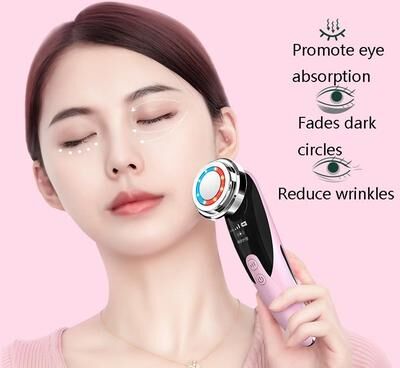
Inspired Deals Ultrasonic Facial Cleansing Device With Ion Therapy & LED Skin Massage whiteReveal fresher, smootherlooking skin with this ultrasonic facial cleanser designed to elevate your daily skincare routine. Combining ultrasonic vibration, ion therapy, and soothing LED light care, this compact beauty tool helps cleanse pores, remove...49,97 $*Shipping: 0,00 $Secure redirect to the provider
-
Ion Magnesium Blow DryerThis cutting-edge blow dryer is a revolutionary advancement in heat styling technology. This next-generation tool boasts rapid heat-up capabilities, ensuring a consistent and stable temperature for effortless and uniform styling. Infused with...84,99 $*Shipping: 0,00 $Secure redirect to the provider
-
Ion Magnesium Curling Ironion Magnesium Curling Iron is part of the next generation of heat styling. The 1 Inch barrel heats fast, maintains a stable temperature and leaves hair looking and feeling healthier, shiny and softer hair with the combination of Magnesium and...47,99 $*Shipping: 0,00 $Secure redirect to the provider



-
How do dipole-dipole forces affect the boiling temperature?
Dipole-dipole forces are attractive forces between the positive end of one polar molecule and the negative end of another polar molecule. These forces cause the molecules to be attracted to each other and stick together, making it more difficult for them to break apart and become a gas. As a result, substances with stronger dipole-dipole forces will have higher boiling temperatures because more energy is required to overcome these attractive forces and turn the substance into a gas. Therefore, the presence of dipole-dipole forces can increase the boiling temperature of a substance. **
-
Why are hydrogen bonds stronger than dipole-dipole interactions?
Hydrogen bonds are stronger than dipole-dipole interactions because they involve a specific interaction between a hydrogen atom and a highly electronegative atom such as oxygen, nitrogen, or fluorine. This creates a strong partial positive charge on the hydrogen atom and a strong partial negative charge on the electronegative atom, leading to a strong attraction between the two. In contrast, dipole-dipole interactions occur between the partial positive and negative charges of polar molecules, which are generally weaker than the specific interaction between a hydrogen atom and a highly electronegative atom in a hydrogen bond. **
-
Is the ammonia molecule a dipole or not a dipole?
The ammonia molecule is a dipole. This is because the molecule has a trigonal pyramidal shape with a lone pair of electrons on the nitrogen atom. The electronegativity difference between nitrogen and hydrogen causes the molecule to have a net dipole moment, with the nitrogen end being partially negative and the hydrogen end being partially positive. This makes ammonia a polar molecule. **
-
Why is CO2 not a dipole and H2O a dipole?
CO2 is not a dipole because it has a linear molecular geometry, meaning the two oxygen atoms are symmetrically arranged around the central carbon atom, resulting in a net dipole moment of zero. On the other hand, H2O is a dipole because it has a bent molecular geometry, causing the oxygen atom to pull the shared electrons closer to itself, resulting in a net dipole moment. This uneven distribution of charge creates a positive end (the hydrogen atoms) and a negative end (the oxygen atom), making H2O a polar molecule. **

What is an acid residue ion, an oxonium ion, and a hydronium ion?
An acid residue ion is a fragment of a molecule that remains after a hydrogen ion is removed from an acid. An oxonium ion is a positively charged ion formed by the addition of a proton to an oxygen atom. A hydronium ion is a positively charged ion formed by the combination of a water molecule with an extra proton, commonly found in aqueous solutions of acids. **
What is the difference between hydrogen bonding and dipole-dipole interactions?
Hydrogen bonding is a specific type of dipole-dipole interaction that occurs between a hydrogen atom bonded to a highly electronegative atom (such as oxygen, nitrogen, or fluorine) and another electronegative atom in a different molecule. This type of interaction is stronger than regular dipole-dipole interactions because of the large electronegativity difference between the hydrogen and the other atom, resulting in a stronger attraction between the molecules. In contrast, dipole-dipole interactions occur between the positive end of one polar molecule and the negative end of another polar molecule, but do not involve a hydrogen atom bonded to a highly electronegative atom. **
Top-Angebote
Products related to Ion-dipole:
-
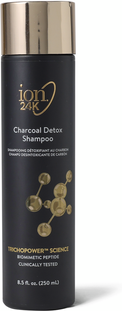
Ion ion 24K Charcoal Detox ShampooIon® 24K Charcoal Detox Shampoo is a powerful yet gentle charcoal shampoo designed to deeply cleanse hair and scalp, while repairing hair's keratin chain. This detox shampoo helps lift impurities, odors and buildup from styling products and...20,99 $*Shipping: 0,00 $Secure redirect to the provider
-
Ion ion 24K Metal And Mineral Neutralizing SprayIon® 24K Metal & Mineral Neutralizing Spray is a treatment for color-treated hair that acts as a hair color primer, helping reduce mineral and metal buildup caused by hard water and environmental exposure. This lightweight spray reduces the dulling...32,99 $*Shipping: 0,00 $Secure redirect to the provider
-
Ion ion 24K Rapid Recovery Peptide Leave-In Hair TreatmentIon® 24K Rapid Recovery Peptide Leave-In Hair Treatment is a lightweight, fast-absorbing leave-in designed to reverse damage from root to tip. Powered by amino peptides for strong hair, this scientifically advanced formula helps maintain nearly 69%...28,99 $*Shipping: 0,00 $Secure redirect to the provider
-
Inspired Deals Ultrasonic Facial Cleansing Device With Ion Therapy & LED Skin Massage whiteReveal fresher, smootherlooking skin with this ultrasonic facial cleanser designed to elevate your daily skincare routine. Combining ultrasonic vibration, ion therapy, and soothing LED light care, this compact beauty tool helps cleanse pores, remove...49,97 $*Shipping: 0,00 $Secure redirect to the provider
-
Can an ion have a dipole?
No, ions cannot have a dipole moment because they have a net charge. A dipole moment is a measure of the separation of positive and negative charges within a molecule, resulting in a partial positive and partial negative end. Since ions have gained or lost electrons, they have a net charge and do not exhibit the separation of charges necessary to have a dipole moment. **
-
Why do ethers have only weak dipole-dipole interactions?
Ethers have only weak dipole-dipole interactions because the oxygen atom in the ether molecule is less electronegative than the oxygen atom in alcohols or the nitrogen atom in amines. This results in a smaller difference in electronegativity between the oxygen and the carbon atoms in the ether molecule, leading to weaker dipole moments. As a result, the overall dipole-dipole interactions in ethers are weaker compared to molecules with larger electronegativity differences, such as alcohols and amines. **
-
How do dipole-dipole forces affect the boiling temperature?
Dipole-dipole forces are attractive forces between the positive end of one polar molecule and the negative end of another polar molecule. These forces cause the molecules to be attracted to each other and stick together, making it more difficult for them to break apart and become a gas. As a result, substances with stronger dipole-dipole forces will have higher boiling temperatures because more energy is required to overcome these attractive forces and turn the substance into a gas. Therefore, the presence of dipole-dipole forces can increase the boiling temperature of a substance. **
-
Why are hydrogen bonds stronger than dipole-dipole interactions?
Hydrogen bonds are stronger than dipole-dipole interactions because they involve a specific interaction between a hydrogen atom and a highly electronegative atom such as oxygen, nitrogen, or fluorine. This creates a strong partial positive charge on the hydrogen atom and a strong partial negative charge on the electronegative atom, leading to a strong attraction between the two. In contrast, dipole-dipole interactions occur between the partial positive and negative charges of polar molecules, which are generally weaker than the specific interaction between a hydrogen atom and a highly electronegative atom in a hydrogen bond. **
Similar search terms for Ion-dipole
-
Ion Magnesium Blow DryerThis cutting-edge blow dryer is a revolutionary advancement in heat styling technology. This next-generation tool boasts rapid heat-up capabilities, ensuring a consistent and stable temperature for effortless and uniform styling. Infused with...84,99 $*Shipping: 0,00 $Secure redirect to the provider
-
Ion Magnesium Curling Ironion Magnesium Curling Iron is part of the next generation of heat styling. The 1 Inch barrel heats fast, maintains a stable temperature and leaves hair looking and feeling healthier, shiny and softer hair with the combination of Magnesium and...47,99 $*Shipping: 0,00 $Secure redirect to the provider
-
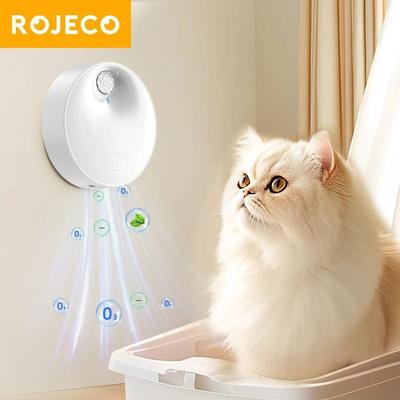
Uplifted Finds ROJECO Ion Pure Smart Litter Deodoriser ROJECO Ion Pure Smart Litter DeodoriserEliminate litter box odors at the molecular level with the ROJECO IonPure Smart Deodoriser. Unlike scented sprays or gels that merely mask smells with artificial fragrances, this advanced device uses Active Oxygen and Negative Ion technology to...138,97 $*Shipping: 0,00 $Secure redirect to the provider
-
Ion Luxe Infrared SmartSense DryerThe ion Luxe Infrared Smartsense Dryer is a high-performance blow dryer powered by advanced Infrared Light Technology to help deliver faster drying with less damage. By gently heating hair from the inside out rather than relying solely on surface...149,99 $*Shipping: 0,00 $Secure redirect to the provider
-
Is the ammonia molecule a dipole or not a dipole?
The ammonia molecule is a dipole. This is because the molecule has a trigonal pyramidal shape with a lone pair of electrons on the nitrogen atom. The electronegativity difference between nitrogen and hydrogen causes the molecule to have a net dipole moment, with the nitrogen end being partially negative and the hydrogen end being partially positive. This makes ammonia a polar molecule. **
-
Why is CO2 not a dipole and H2O a dipole?
CO2 is not a dipole because it has a linear molecular geometry, meaning the two oxygen atoms are symmetrically arranged around the central carbon atom, resulting in a net dipole moment of zero. On the other hand, H2O is a dipole because it has a bent molecular geometry, causing the oxygen atom to pull the shared electrons closer to itself, resulting in a net dipole moment. This uneven distribution of charge creates a positive end (the hydrogen atoms) and a negative end (the oxygen atom), making H2O a polar molecule. **
-
What is an acid residue ion, an oxonium ion, and a hydronium ion?
An acid residue ion is a fragment of a molecule that remains after a hydrogen ion is removed from an acid. An oxonium ion is a positively charged ion formed by the addition of a proton to an oxygen atom. A hydronium ion is a positively charged ion formed by the combination of a water molecule with an extra proton, commonly found in aqueous solutions of acids. **
-
What is the difference between hydrogen bonding and dipole-dipole interactions?
Hydrogen bonding is a specific type of dipole-dipole interaction that occurs between a hydrogen atom bonded to a highly electronegative atom (such as oxygen, nitrogen, or fluorine) and another electronegative atom in a different molecule. This type of interaction is stronger than regular dipole-dipole interactions because of the large electronegativity difference between the hydrogen and the other atom, resulting in a stronger attraction between the molecules. In contrast, dipole-dipole interactions occur between the positive end of one polar molecule and the negative end of another polar molecule, but do not involve a hydrogen atom bonded to a highly electronegative atom. **
* All prices are inclusive of VAT and, if applicable, plus shipping costs. The offer information is based on the details provided by the respective shop and is updated through automated processes. Real-time updates do not occur, so deviations can occur in individual cases. ** Note: Parts of this content were created by AI.