Buy saunameister.eu ?
We are moving the project
saunameister.eu .
Are you interested in purchasing the domain
saunameister.eu ?
domain@kv-gmbh.de · 0541-91531010
Buy saunameister.eu ?
What is the focal point and the focal length?
The focal point is the point at which light rays parallel to the optical axis converge after passing through a lens or reflecting off a concave mirror. It is the point where the image of an object is formed. The focal length is the distance between the focal point and the optical center of the lens or mirror. It is a measure of how strongly the lens or mirror converges or diverges light. **
Which 50mm fixed focal length?
The 50mm fixed focal length lens is a popular choice among photographers for its versatility and ability to capture images with a natural perspective similar to the human eye. There are various 50mm lenses available from different camera manufacturers, such as Canon, Nikon, Sony, and Sigma, each offering unique features and image quality. It is important to consider factors like aperture size, build quality, and compatibility with your camera system when choosing the right 50mm lens for your photography needs. **

Similar search terms for Focal length
Top-Angebote
Products related to Focal length:
-
17 Stories Combining functionality and beauty, this coffee table will be the focal point of your room. WhiteSturdy material: The engineered wood is of exceptional quality with smooth surface and also features strength, stability and resistance to moisture. Made of engineered wood, the side table is easy to clean with a damp cloth. 17 Stories Colour: White115,99 £*Shipping: 0,00 £Secure redirect to the provider
-
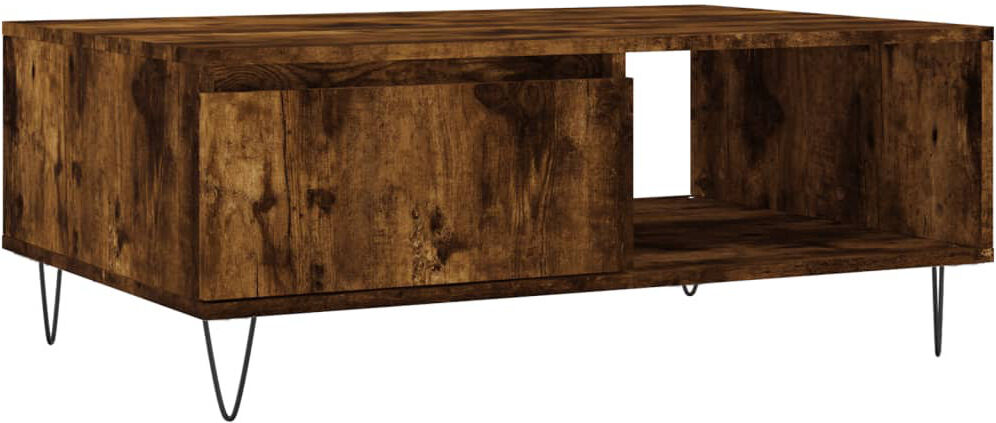
George Oliver Combining functionality and beauty, this coffee table will be the focal point of your room. Brown OakSturdy material: The engineered wood is of exceptional quality with smooth surface and also features strength, stability and resistance to moisture. Made of engineered wood, the side table is easy to clean with a damp cloth. George Oliver Colour: Brown Oak45,99 £*Shipping: 4,99 £Secure redirect to the provider
-
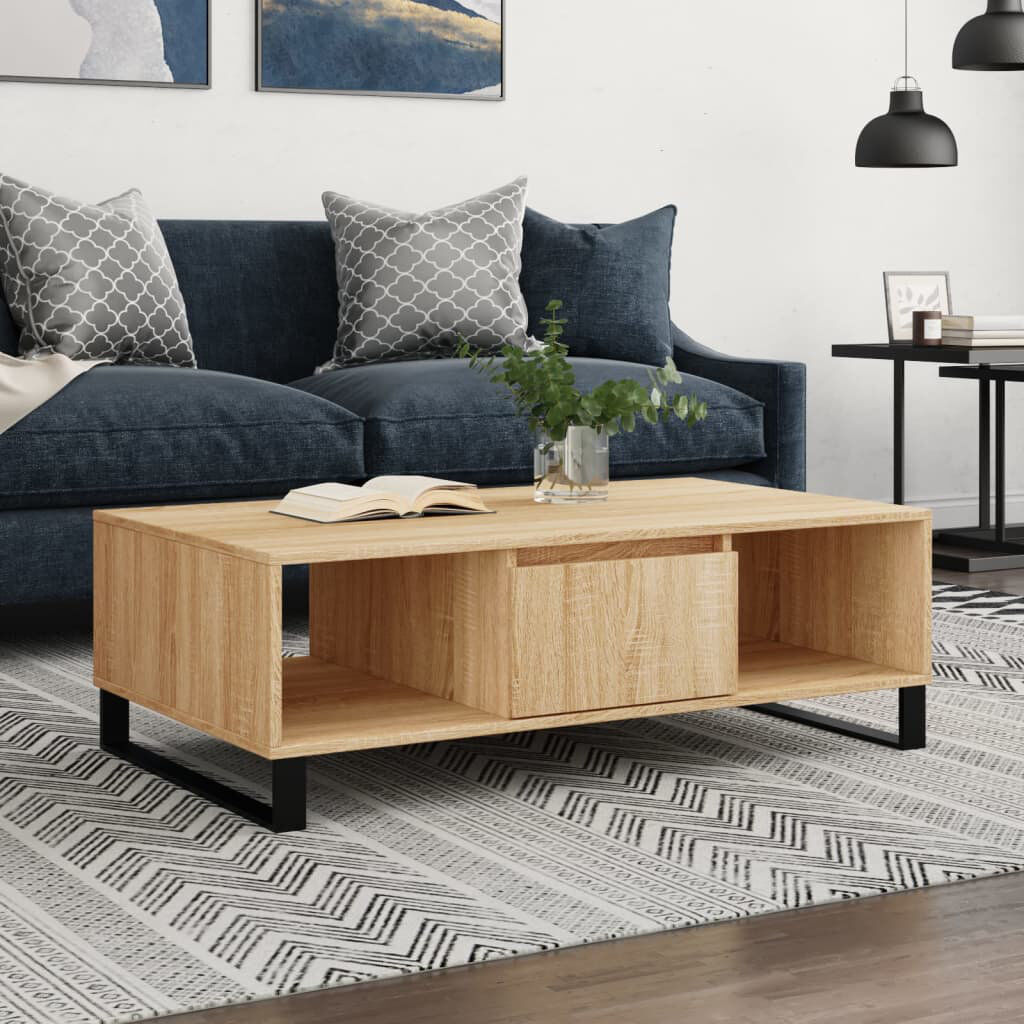
George Oliver Combining functionality and beauty, this coffee table will be the focal point of your room. Grey SonomaSturdy material: The engineered wood is of exceptional quality with smooth surface and also features strength, stability and resistance to moisture. Made of engineered wood, the side table is easy to clean with a damp cloth. George Oliver Colour: Grey Sonoma45,99 £*Shipping: 4,99 £Secure redirect to the provider
-
17 Stories Combining functionality and beauty, this coffee table will be the focal point of your room. Concrete GreySturdy material: The engineered wood is of exceptional quality with smooth surface and also features strength, stability and resistance to moisture. Made of engineered wood, the side table is easy to clean with a damp cloth. 17 Stories Colour: Concrete Grey108,99 £*Shipping: 0,00 £Secure redirect to the provider


-
Which focal length do I need?
The focal length you need depends on the type of photography you are interested in. For portraits and close-up shots, a focal length between 50mm to 85mm is ideal. For landscapes and architecture, a wider focal length such as 24mm to 35mm is recommended. If you are looking for a versatile option, a zoom lens with a focal length range of 24-70mm or 70-200mm can cover a wide range of shooting scenarios. Ultimately, it is important to consider your shooting style and preferences when choosing the right focal length for your needs. **
-
What is the focal length 2?
The focal length 2 is a measurement that refers to the distance between the lens and the image sensor when the lens is focused at infinity. It is a key parameter in determining the field of view and magnification of a lens. A shorter focal length 2 results in a wider field of view and greater depth of field, while a longer focal length 2 provides a narrower field of view and higher magnification. **
-
What focal length for Deep Sky?
For deep sky astrophotography, a focal length of around 400-800mm is generally recommended. This range allows you to capture detailed images of galaxies, nebulae, and star clusters while still maintaining a wide enough field of view to include surrounding stars and celestial objects. A longer focal length can help bring out more details in distant objects, but may also make framing and tracking more challenging. Ultimately, the best focal length will depend on the specific objects you want to capture and your equipment setup. **
-
What focal length do I need?
The focal length you need depends on the specific requirements of your photography or videography project. For example, if you are shooting landscapes or architecture, a wide-angle lens with a focal length of 16-35mm may be suitable. For portraits, a focal length of 85mm or 50mm is often preferred to achieve a flattering perspective. If you are shooting wildlife or sports, a telephoto lens with a focal length of 200mm or more may be necessary to capture distant subjects. Consider the specific subject matter and shooting conditions to determine the appropriate focal length for your needs. **
What is the lowest focal length?
The lowest focal length refers to the shortest distance at which a lens can focus light onto the camera's sensor or film. This is typically found in wide-angle lenses, and the lowest focal length is usually around 14mm for most DSLR and mirrorless cameras. Lenses with lower focal lengths can capture a wider field of view, making them ideal for landscape, architecture, and interior photography. **
What is the focal length of images?
The focal length of an image is the distance between the lens and the image sensor when the subject is in focus. It is a key parameter in determining the field of view and magnification of the image. A shorter focal length results in a wider field of view, while a longer focal length provides more magnification and a narrower field of view. The focal length also affects the depth of field in an image, with shorter focal lengths typically producing a larger depth of field. **
Top-Angebote
Products related to Focal length:
-
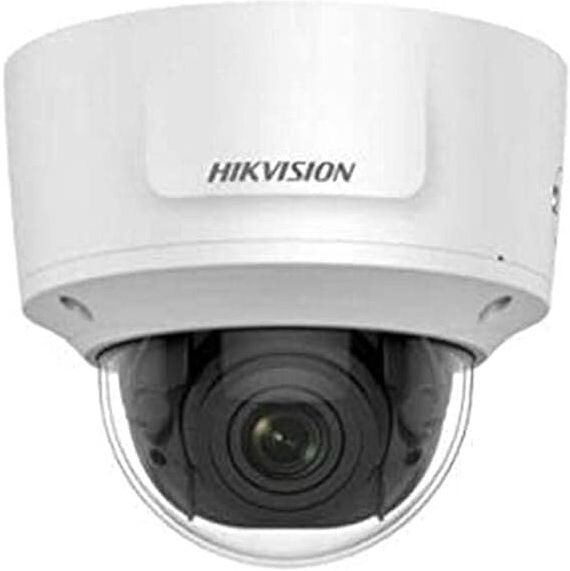
Focal-JMlab HikVision 4MP Exir Vari-Focal Dome Network Camera - Weatherproof, HD Video, H.265+, 2.8-12mm Lens, Used - Like NewStep into professional-grade surveillance with the HikVision 4MP EXIR Vari-Focal Dome Network Camera , a powerful CCTV solution engineered for high-performance security monitoring. Designed for both commercial and residential use, this advanced dome camera delivers crystal-clear HD video, intelligent compression, and flexible viewing angles—making it a reliable alternative to traditional CCTV systems. ✔️ 4MP HD Resolution – Capture sharp, detailed footage with high clarity for accurate monitoring and evidence ✔️ 2.8–12mm Motorized Varifocal Lens – Adjustable zoom and focus for flexible coverage, from wide-angle to detailed close-ups ✔️ EXIR Infrared Night Vision – Advanced IR technology for clear visibility even in complete darkness, with extended range ✔️ H.265+ Compression – Efficient video storage and bandwidth usage without compromising image quality ✔️ Wide Dynamic Range (WDR) – Balanced exposure in bright and dark areas for clear images in challenging lighting conditions ✔️ Weatherproof & Vandal-Resistant – IP67-rated for outdoor use and IK10-rated for impact protection ✔️ Smart Detection Features – Advanced analytics for motion detection and human/vehicle classification (select models) ✔️ Flexible Installation – Dome design with adjustable angles for ceiling or wall mounting ✔️ Local Storage Support – Compatible with microSD cards (up to 256GB) for onboard recording ✔️ Power Options – Supports PoE (Power over Ethernet) or 12V DC for simplified installation The HikVision 4MP EXIR Vari-Focal Dome Network Camera is built for users who need reliable, high-quality surveillance with advanced features and flexibility. Whether you're securing a shop, office, or home, this camera offers powerful performance, smart monitoring capabilities, and durable construction—ensuring peace of mind with professional-level security.167,99 £*Shipping: 0,00 £Secure redirect to the provider
-
Trendy Discount Goods Rotating Telescopic Steam Splitter Adjusts Length To Divert Steam Rotating Telescopic Steam Splitter Adjusts Length To Divert SteamEfficient Steam Control with 360Degree Rotation Take control of your kitchen steam with the TM6 TM5 TM31 telescopic steam splitter. Designed to provide 360degree rotation, this steam splitter allows you to direct steam precisely where you need it....39,97 $*Shipping: 0,00 $Secure redirect to the provider
-
17 Stories Combining functionality and beauty, this coffee table will be the focal point of your room. WhiteSturdy material: The engineered wood is of exceptional quality with smooth surface and also features strength, stability and resistance to moisture. Made of engineered wood, the side table is easy to clean with a damp cloth. 17 Stories Colour: White115,99 £*Shipping: 0,00 £Secure redirect to the provider
-
George Oliver Combining functionality and beauty, this coffee table will be the focal point of your room. Brown OakSturdy material: The engineered wood is of exceptional quality with smooth surface and also features strength, stability and resistance to moisture. Made of engineered wood, the side table is easy to clean with a damp cloth. George Oliver Colour: Brown Oak45,99 £*Shipping: 4,99 £Secure redirect to the provider
-
What is the focal point and the focal length?
The focal point is the point at which light rays parallel to the optical axis converge after passing through a lens or reflecting off a concave mirror. It is the point where the image of an object is formed. The focal length is the distance between the focal point and the optical center of the lens or mirror. It is a measure of how strongly the lens or mirror converges or diverges light. **
-
Which 50mm fixed focal length?
The 50mm fixed focal length lens is a popular choice among photographers for its versatility and ability to capture images with a natural perspective similar to the human eye. There are various 50mm lenses available from different camera manufacturers, such as Canon, Nikon, Sony, and Sigma, each offering unique features and image quality. It is important to consider factors like aperture size, build quality, and compatibility with your camera system when choosing the right 50mm lens for your photography needs. **
-
Which focal length do I need?
The focal length you need depends on the type of photography you are interested in. For portraits and close-up shots, a focal length between 50mm to 85mm is ideal. For landscapes and architecture, a wider focal length such as 24mm to 35mm is recommended. If you are looking for a versatile option, a zoom lens with a focal length range of 24-70mm or 70-200mm can cover a wide range of shooting scenarios. Ultimately, it is important to consider your shooting style and preferences when choosing the right focal length for your needs. **
-
What is the focal length 2?
The focal length 2 is a measurement that refers to the distance between the lens and the image sensor when the lens is focused at infinity. It is a key parameter in determining the field of view and magnification of a lens. A shorter focal length 2 results in a wider field of view and greater depth of field, while a longer focal length 2 provides a narrower field of view and higher magnification. **
Similar search terms for Focal length
-
George Oliver Combining functionality and beauty, this coffee table will be the focal point of your room. Grey SonomaSturdy material: The engineered wood is of exceptional quality with smooth surface and also features strength, stability and resistance to moisture. Made of engineered wood, the side table is easy to clean with a damp cloth. George Oliver Colour: Grey Sonoma45,99 £*Shipping: 4,99 £Secure redirect to the provider
-
17 Stories Combining functionality and beauty, this coffee table will be the focal point of your room. Concrete GreySturdy material: The engineered wood is of exceptional quality with smooth surface and also features strength, stability and resistance to moisture. Made of engineered wood, the side table is easy to clean with a damp cloth. 17 Stories Colour: Concrete Grey108,99 £*Shipping: 0,00 £Secure redirect to the provider
-
17 Stories Combining functionality and beauty, this coffee table will be the focal point of your room. Smoked OakSturdy material: The engineered wood is of exceptional quality with smooth surface and also features strength, stability and resistance to moisture. Made of engineered wood, the side table is easy to clean with a damp cloth. 17 Stories Colour: Smoked Oak98,99 £*Shipping: 0,00 £Secure redirect to the provider
-
What focal length for Deep Sky?
For deep sky astrophotography, a focal length of around 400-800mm is generally recommended. This range allows you to capture detailed images of galaxies, nebulae, and star clusters while still maintaining a wide enough field of view to include surrounding stars and celestial objects. A longer focal length can help bring out more details in distant objects, but may also make framing and tracking more challenging. Ultimately, the best focal length will depend on the specific objects you want to capture and your equipment setup. **
-
What focal length do I need?
The focal length you need depends on the specific requirements of your photography or videography project. For example, if you are shooting landscapes or architecture, a wide-angle lens with a focal length of 16-35mm may be suitable. For portraits, a focal length of 85mm or 50mm is often preferred to achieve a flattering perspective. If you are shooting wildlife or sports, a telephoto lens with a focal length of 200mm or more may be necessary to capture distant subjects. Consider the specific subject matter and shooting conditions to determine the appropriate focal length for your needs. **
-
What is the lowest focal length?
The lowest focal length refers to the shortest distance at which a lens can focus light onto the camera's sensor or film. This is typically found in wide-angle lenses, and the lowest focal length is usually around 14mm for most DSLR and mirrorless cameras. Lenses with lower focal lengths can capture a wider field of view, making them ideal for landscape, architecture, and interior photography. **
-
What is the focal length of images?
The focal length of an image is the distance between the lens and the image sensor when the subject is in focus. It is a key parameter in determining the field of view and magnification of the image. A shorter focal length results in a wider field of view, while a longer focal length provides more magnification and a narrower field of view. The focal length also affects the depth of field in an image, with shorter focal lengths typically producing a larger depth of field. **
* All prices are inclusive of VAT and, if applicable, plus shipping costs. The offer information is based on the details provided by the respective shop and is updated through automated processes. Real-time updates do not occur, so deviations can occur in individual cases. ** Note: Parts of this content were created by AI.